The Power of Anonymity in Art
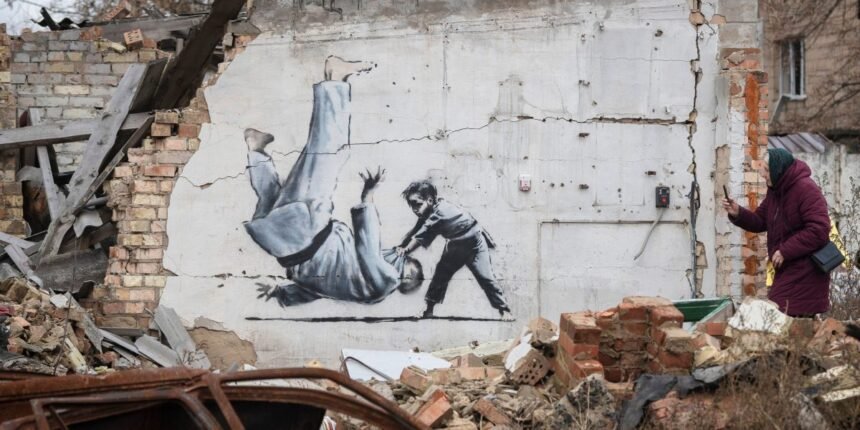
Years before social media platforms like Instagram became synonymous with influencer culture, the elusive street artist Banksy had already grasped the concept that true influence lies not in fame, but in anonymity. By maintaining his secrecy, Banksy has cleverly woven an air of mystery around his persona, which has significantly contributed to the allure and value of his art.
This strategic move has allowed him to transcend the conventional boundaries of the art world, speaking directly to a wide audience without the constraints of traditional art critics or the necessity of institutional validation. His ability to blend into the shadows, leaving only his work to communicate his messages, has been a cornerstone of his success.
Understanding Banksy’s Strategy
Banksy’s approach to anonymity is multifaceted, serving both as a protective mechanism and a creative device. By not being a known figure, he avoids the pitfalls of celebrity culture, where the artist’s persona often overshadows their work. Instead, Banksy ensures that the focus remains on his art, allowing each piece to be judged on its merit rather than being skewed by preconceived notions about the artist.
Moreover, his anonymity democratizes the art appreciation process. Without the influence of knowing who the artist is, viewers are left to interpret and connect with the artwork on a more personal level, unhindered by biases related to the artist’s identity.
- Global Recognition: Banksy’s works are recognized globally, not because of his face or name, but because of the powerful messages they convey.
- Cultural Impact: His art has managed to transcend traditional art circles, influencing popular culture, political discourse, and social movements.
- Commercial Success: The mystery surrounding Banksy has undoubtedly contributed to the high value of his art, with many of his pieces selling for millions at auctions.