
Oil Supply Disruption: A New Era of Market Uncertainty
The recent escalation of tensions in the Middle East, particularly involving Iran, has sent shockwaves across global financial markets. At the heart of this instability is the oil market, which has witnessed the largest supply disruption in history. As investors scramble to respond to these unprecedented changes, it’s essential to examine how the current situation compares to past market shocks and what this might mean for the future of global economics.
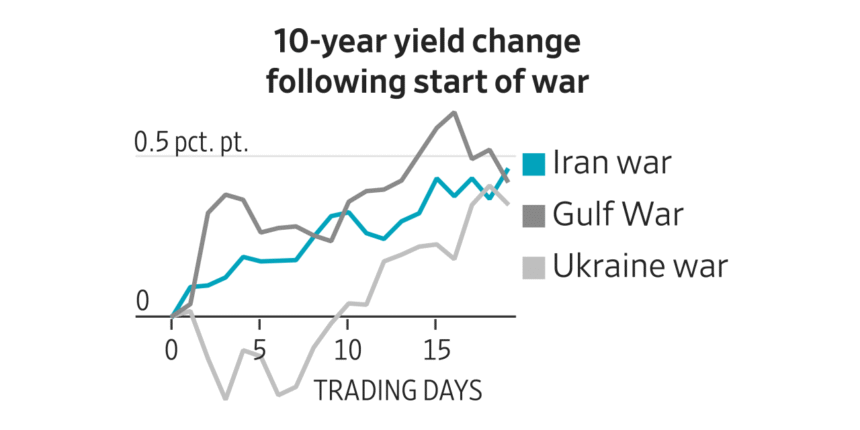
The Iran conflict has already shown significant impacts on oil prices, with potential long-term effects on global trade, economic growth, and geopolitical relations. Understanding these dynamics is crucial for investors, policymakers, and consumers alike. The charts below illustrate the scale of the disruption and its implications for the energy sector and beyond.
Historical Context: Comparing Market Shocks
Past events, such as the 1973 oil embargo and the 1990 Gulf War, have shown that geopolitical tensions in oil-rich regions can have profound effects on the global economy. However, the current situation with Iran presents a unique set of challenges due to the country’s significant role in global oil production and the complexities of modern international relations.
- The speed and scale of the supply disruption are unprecedented, highlighting the interconnectedness and volatility of today’s markets.
- Global economic dependencies on oil have evolved, with some regions more resilient to price fluctuations than others.
- The geopolitical landscape is more complex, with multiple actors and interests at play, making predictions and resolutions more challenging.
Navigating the Future: Investment Strategies and Policy Responses
As the situation continues to unfold, investors are diversifying their portfolios, seeking safer havens such as gold and bonds, while also keeping a close eye on the development of alternative energy sources. Policymakers, on the other hand, are faced with the difficult task of balancing economic stability with geopolitical pressures, requiring careful consideration of sanctions, trade agreements, and military interventions.