
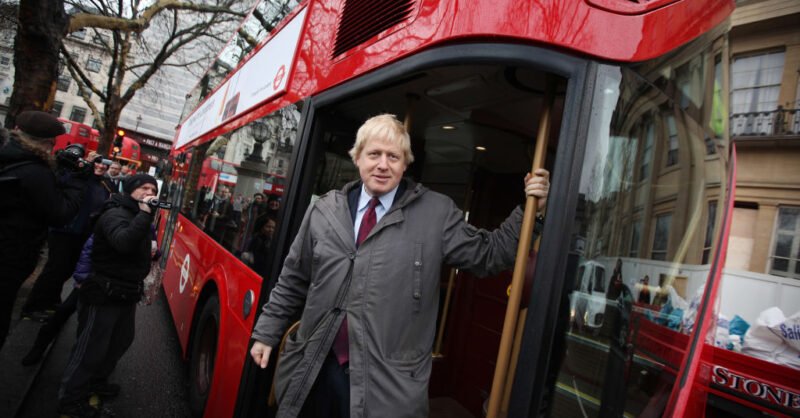
The End of an Era: Boris Buses Removed from London Routes
In a significant move, London’s transport system is undergoing a major overhaul, marked by the removal of the iconic Boris buses from routes across the city. This decision is a part of Mayor Sadiq Khan’s efforts to address the legacy of previous mayors and modernize the capital’s transportation network.

The original Routemasters, introduced in the 1950s, were a symbol of London’s rich heritage and a testament to the city’s innovative approach to public transport. However, the newer, Boris-backed buses, which were designed to evoke a sense of nostalgia, have been criticized for their high operating costs, environmental impact, and accessibility issues.
A New Era for London’s Transport
As the city continues to grow and evolve, it’s essential that its transport system adapts to meet the changing needs of its residents and visitors. The removal of the Boris buses is a step towards creating a more efficient, sustainable, and inclusive transportation network.
- Improved air quality: The newer buses will be equipped with cleaner engines, reducing emissions and contributing to a healthier environment.
- Enhanced accessibility: The new fleet will feature modern, accessible designs, ensuring that all passengers can travel comfortably and safely.
- Increased efficiency: The updated transport system will optimize routes and schedules, reducing congestion and travel times.
This significant development marks a new chapter in London’s transport history, one that prioritizes innovation, sustainability, and the needs of its diverse community.