
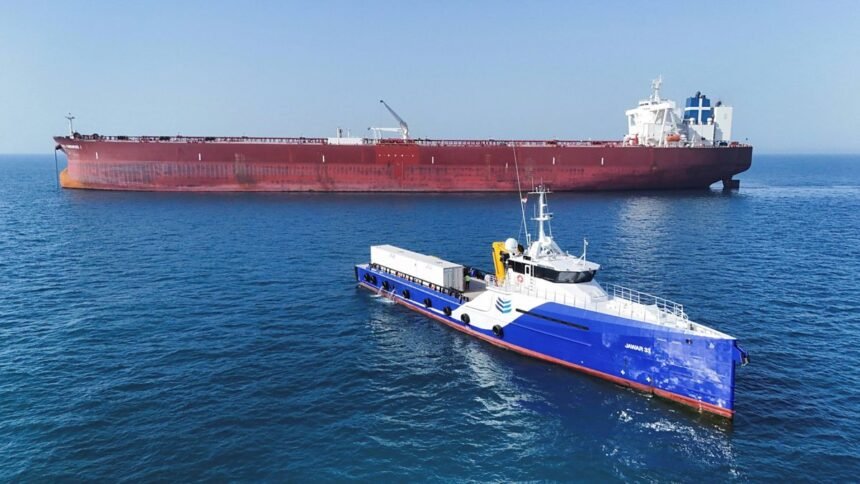
Strait of Hormuz Reopens to Commercial Vessels Amid Tensions
Following recent developments, the Strait of Hormuz has been declared open to all commercial vessels by President Trump and Iranian officials. However, shipping firms remain cautious due to the sensitive nature of the situation.
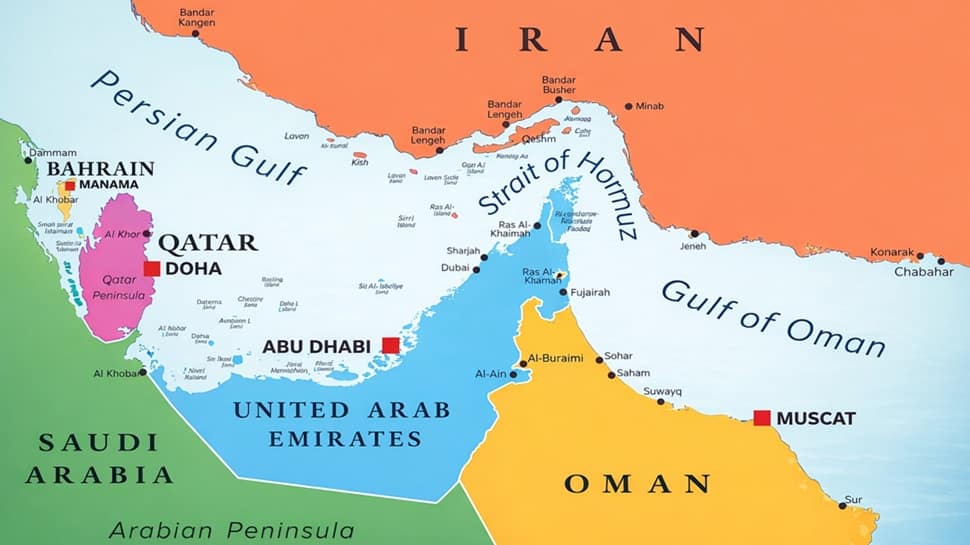
Iran’s foreign minister, Abbas Araghchi, played a significant role in the negotiations, emphasizing the need for diplomacy and cooperation in the region. This move aims to alleviate concerns and promote economic stability by ensuring the safe passage of oil tankers and other commercial ships through the strategic waterway.
Background and Implications
The Strait of Hormuz is a vital shipping lane, with nearly a third of the world’s oil supplies passing through it. Any disruption to this waterway could have significant economic implications, affecting global energy markets and prices.
Despite the announcement, shipping companies are exercising restraint, citing concerns over potential risks and uncertainties in the region. The cautious approach is understandable, given the complex geopolitical landscape and the need for sustained stability.
- Promoting diplomacy and dialogue to address regional concerns
- Enhancing security measures to protect commercial vessels and crew members
- Fostering cooperation among nations to ensure the safe passage of ships through the Strait of Hormuz
As the situation continues to unfold, it is essential for all parties involved to prioritize diplomacy, cooperation, and the well-being of those affected by the tensions in the region.