
Introduction to Synaesthesia
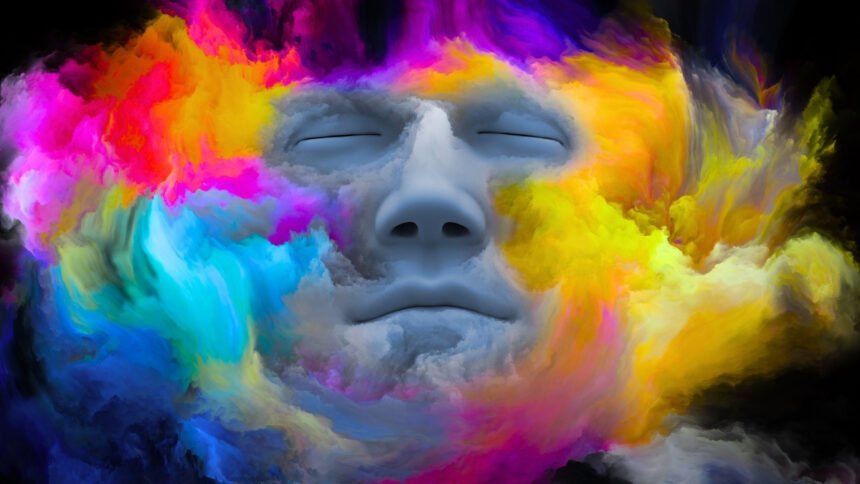
Have you ever found yourself entwined in a kaleidoscope of colors while listening to your favorite melody, or perhaps tasted the sweetness of a word? If such experiences are familiar to you, you might be part of a unique group of individuals who possess a fascinating neurological trait known as synaesthesia. This phenomenon, which affects approximately 1% to 4% of the population, is a blending of the senses where one type of sensory input triggers a perception in another sensory pathway.
Understanding Synaesthesia
Synaesthesia is not merely a product of imagination or a figment of one’s creativity; rather, it is a genuine perceptual experience. For those with synaesthesia, the boundaries between senses like sight, sound, taste, touch, and smell become less distinct. For instance, a synaesthete might see specific colors when hearing certain musical notes or perceive distinct tastes when reading specific words. This cross-wiring of sensory responses can manifest in numerous ways, making each synaesthete’s experience unique and highly personal.
Types of Synaesthesia
- Grapheme-Color Synaesthesia: Where numbers and letters are associated with specific colors.
- Chromesthesia: A type where sounds, including music, trigger the experience of seeing colors.
- Mirror-Touch Synaesthesia: Where observing someone else’s sensations can induce a similar sensation in the observer.
Causes and Prevalence
The exact cause of synaesthesia remains a subject of scientific investigation. However, research suggests that it might be related to the increased connectivity between different brain regions, especially those involved in sensory processing. This heightened cross-talk could be the key to the blended sensory experiences characteristic of synaesthesia. Despite its relatively low prevalence, synaesthesia has garnered significant interest in both the scientific community and the general public, with many notable artists and thinkers reporting synaesthetic experiences throughout history.
Conclusion
Synaesthesia offers a unique window into the complexities and the incredible flexibility of the human brain. By studying this phenomenon, scientists hope to gain deeper insights into perception, consciousness, and the intricate workings of our sensory systems. For those who experience synaesthesia, it is not merely a curiosity but an integral part of their perceptual reality, enriching their experience of the world in ways that are both astonishing and beautiful.