
The Enigma of Starless Space Images
For years, space enthusiasts have been mesmerized by the breathtaking images captured by NASA’s spacecraft, only to be left wondering: where are the stars? The curiosity surrounding this phenomenon has sparked a multitude of debates and discussions. Recently, a photo from the Artemis II mission has reignited the conversation, prompting NASA to offer a surprisingly straightforward explanation.

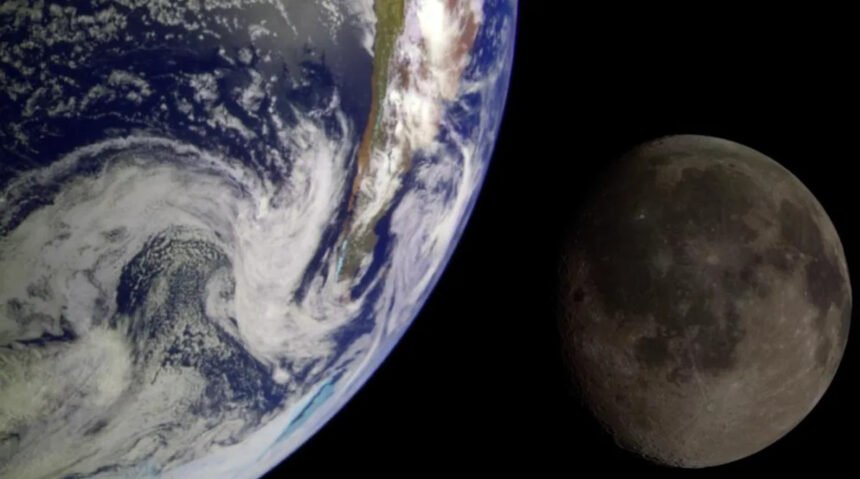
According to NASA, the primary reason stars are rarely visible in space photos is due to the overwhelming brightness of the Earth, Moon, or other celestial bodies being photographed. The cameras used in space missions are designed to capture high-contrast images, which often results in the stars being underexposed and thus invisible to the naked eye.
Understanding the Science Behind Starless Images
To grasp this concept, it’s essential to consider the vast difference in brightness between stars and other celestial objects. The Earth, for instance, reflects about 30% of the sun’s light, making it an extremely bright object in space. In contrast, stars are relatively faint, emitting only a fraction of the light reflected by our planet. When a camera is set to capture the intricate details of the Earth’s surface or the Moon’s craters, the exposure is adjusted to accommodate the bright object, leaving the stars underexposed and invisible.
- The brightness of celestial bodies: The Earth, Moon, and other objects in our solar system are incredibly bright, making it challenging for cameras to capture the faint light of stars.
- Camera settings: Spacecraft cameras are often adjusted to prioritize the capture of high-contrast images, which can result in underexposed stars.
- Image processing: The process of enhancing and editing space images can also contribute to the disappearance of stars, as the focus is usually on emphasizing the details of the primary object being photographed.