
Introduction to a Breakthrough Innovation
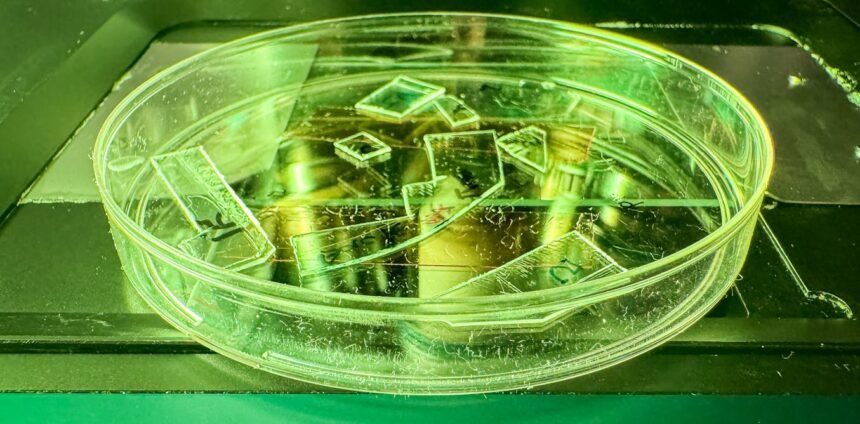
Every day, we come into contact with a multitude of surfaces, from kitchen counters and public transportation handrails to our desks and phone screens. These surfaces can harbor a wide range of viruses and germs, posing significant health risks. However, a recent innovation in material science has led to the development of a unique plastic film covered in thousands of tiny pillars. This groundbreaking film has the ability to tear apart viruses upon contact, offering a potential solution to reducing the spread of infectious diseases.
How the Technology Works
The plastic film, engineered with nanotechnology, features an array of tiny pillars that are spaced in such a way that they can physically rupture the membranes of virus particles. This mechanical action is highly effective against a broad spectrum of viruses, including influenza and coronaviruses. The mechanism is purely physical, meaning it does not involve chemicals that could potentially harm humans or the environment.
Applications and Implications
The potential applications of this technology are vast. It could be used to coat high-touch surfaces in public areas, such as hospitals, public transportation, and schools, significantly reducing the risk of viral transmission. Additionally, incorporating this film into personal protective equipment (PPE) could enhance its effectiveness. The manufacturing process of the film is also noted to be relatively simple and scalable, making it a viable option for widespread implementation.
Conclusion
This innovative plastic film represents a promising step forward in the fight against viral outbreaks. By leveraging the power of nanotechnology and mechanical action, scientists have created a tool that could revolutionize how we approach surface hygiene and virus prevention. As research and development continue, the possibilities for this technology to make a tangible impact on public health are substantial.