Introduction to Cancer Immunotherapy
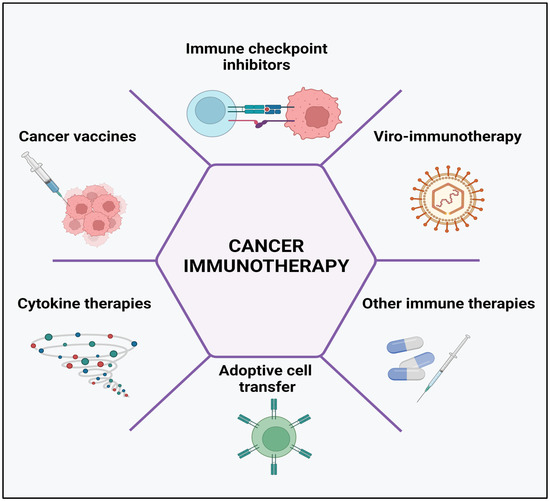
Cancer immunotherapy has revolutionized the way we approach cancer treatment, offering new hope to patients worldwide. This innovative approach leverages the body’s immune system to fight cancer, and its development is ongoing. However, there has been a significant gap in our understanding of how external factors influence the outcomes of immunotherapy.
The Human Microbiome: A Key Player
Recent studies have shed light on the critical role the human microbiome plays in shaping our immune response. The gut microbiome, in particular, has been identified as a key factor that can significantly impact the effectiveness of cancer immunotherapy. The complex ecosystem of bacteria residing in our gut influences not just our digestive health but also our immune system’s ability to recognize and combat cancer cells.
How Gut Bacteria Influence Immunotherapy
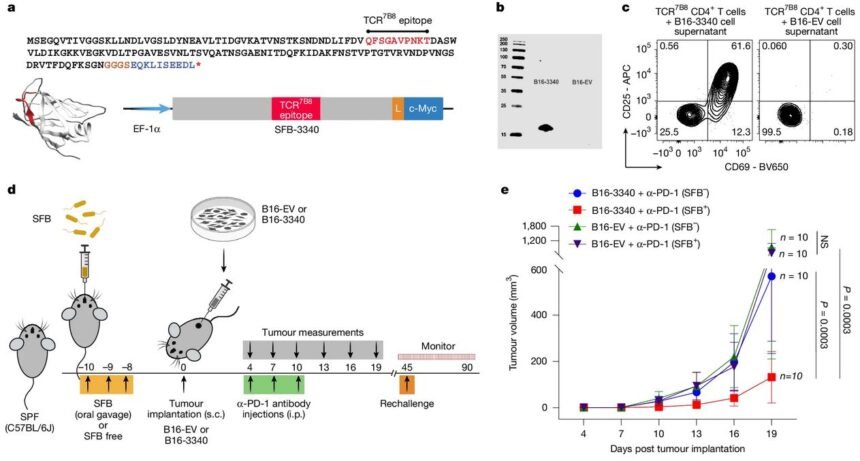
Research has shown that the composition of gut bacteria can either enhance or hinder the response to immunotherapy. Certain bacteria can stimulate the immune system, making it more responsive to cancer cells, while others can suppress it, reducing the therapy’s effectiveness. This knowledge opens up new avenues for improving treatment outcomes by manipulating the gut microbiome.
Potential Strategies for Improvement
- Dietary Interventions: Tailoring diets to promote beneficial bacteria could enhance immunotherapy outcomes.
- Probiotics and Prebiotics: Supplementing with specific probiotics or prebiotics might help create a favorable gut environment for immunotherapy.
- Microbiome Editing: Emerging technologies could allow for the direct manipulation of the gut microbiome to optimize it for cancer treatment.
The interplay between gut bacteria and cancer immunotherapy is a burgeoning area of research, full of promise for improving patient outcomes. As our understanding deepens, we may uncover new, innovative strategies to bolster the immune system’s fight against cancer.