
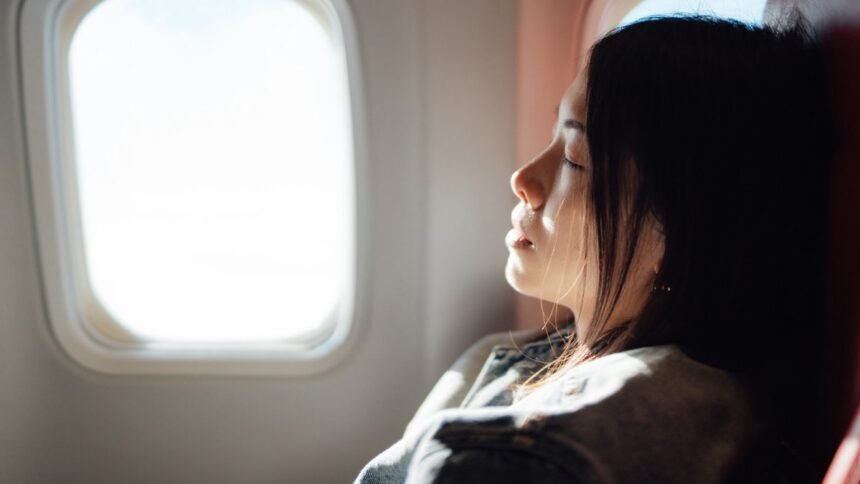
Sleeping on a Plane: The Ultimate Challenge
Long-haul flights can be daunting, especially when it comes to getting some much-needed rest. As someone who recently embarked on a transatlantic journey from the East Coast to Europe, I can attest to the struggle of catching quality Z’s on a plane. However, by understanding the science behind sleep and incorporating a few clever strategies, you can improve your chances of a restful flight.
Research suggests that the key to sleeping on a plane lies in creating a sleep-conducive environment. This includes choosing a suitable seat, adjusting the lighting, and regulating the temperature. Additionally, wearing comfortable clothing, avoiding caffeine and heavy meals, and using earplugs or noise-cancelling headphones can help minimize distractions and promote relaxation.
Optimizing Your Sleep Environment
- Select a window seat to lean against the plane’s wall and avoid being disturbed by other passengers.
- Use a travel pillow or a rolled-up sweater to support your neck and maintain a comfortable position.
- Download a white noise app or listen to calming music to mask background sounds.
By applying these science-backed tips, you can increase your chances of getting a good night’s sleep on your next long-haul flight. Remember to stay hydrated, avoid screens before bedtime, and try to establish a consistent sleep schedule to minimize jet lag.