
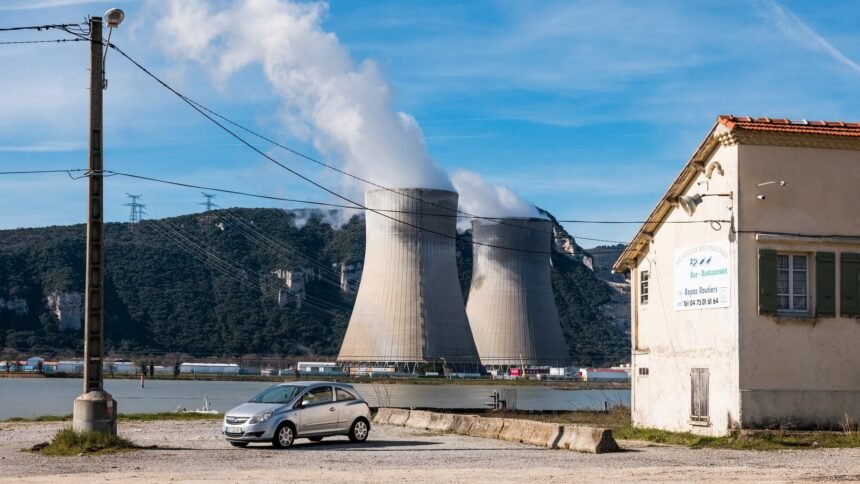
Nuclear Energy’s Evolution: From Disaster to Pragmatism
Forty years have passed since the devastating Chornobyl explosion, one of the worst disasters in human history, which left an indelible mark on the nuclear energy landscape.
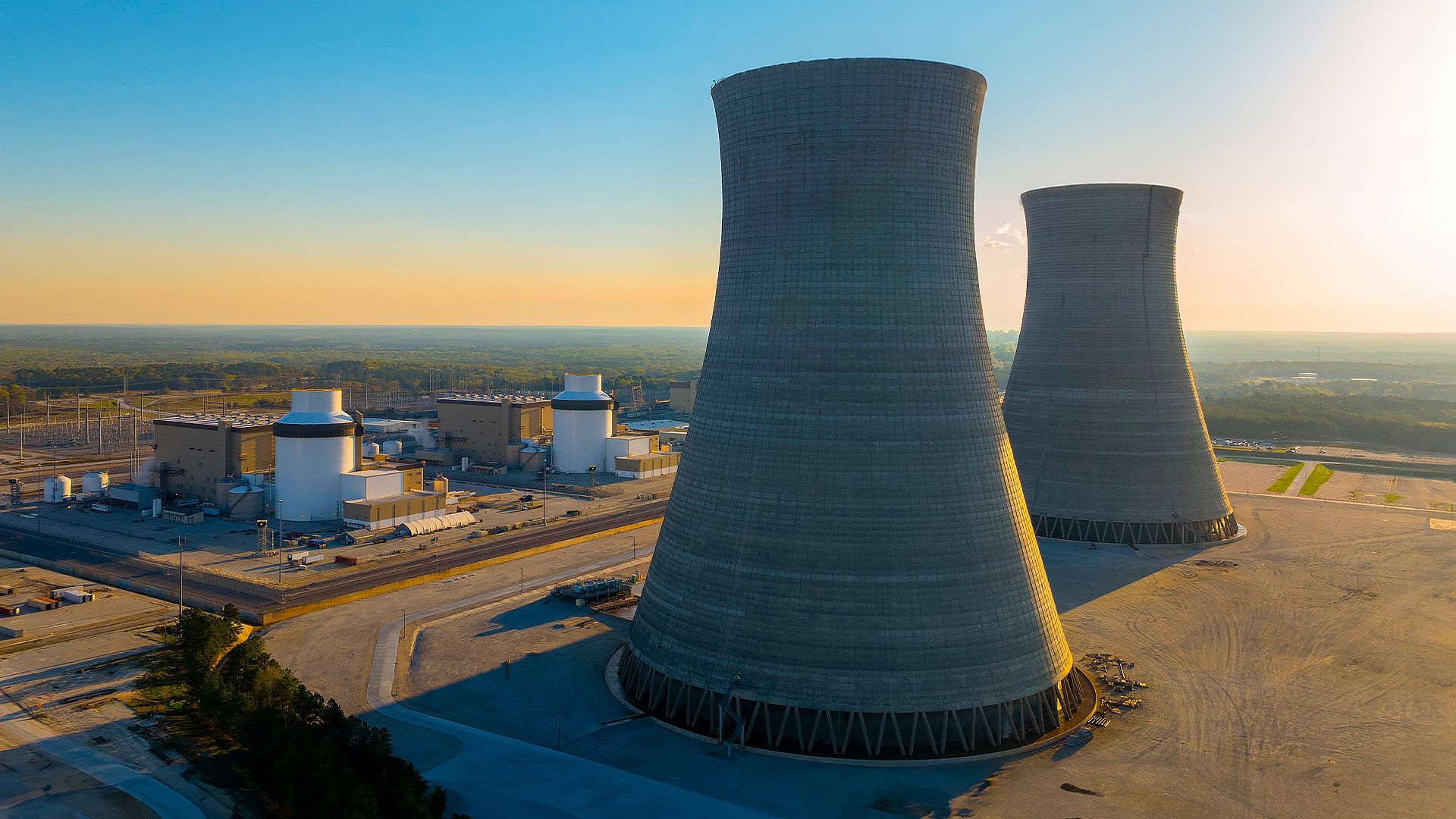
The catastrophe, which occurred on April 26, 1986, not only affected the immediate surroundings but also had far-reaching consequences, leaving dozens of towns and villages in Ukraine uninhabitable.
A New Era of Nuclear Energy
However, as the world grapples with the challenges of climate change, energy security, and sustainable development, the perception of nuclear energy is undergoing a significant shift.
Today, nuclear energy is being reevaluated as a vital component of a comprehensive energy strategy, with many experts acknowledging its potential to contribute to a low-carbon future.
- Reliability: Nuclear power plants can operate continuously, providing a reliable source of electricity.
- Scalability: Nuclear energy can be scaled up to meet increasing energy demands.
- Zero Greenhouse Gas Emissions: Nuclear power generation does not produce greenhouse gas emissions during operation.
As the world continues to navigate the complexities of energy production and consumption, the role of nuclear energy is likely to evolve, driven by advances in technology, changing public perceptions, and the imperative to address climate change.