
Breakthrough in Alzheimer’s Research
Alzheimer’s disease is a devastating neurological disorder that affects millions of people worldwide, causing severe memory loss and cognitive decline. However, researchers have long been fascinated by a subset of individuals who seem to resist the ravages of the disease, despite being genetically predisposed to it.
A recent study led by a team at the University of California has made a significant breakthrough in understanding the brain’s resilience to Alzheimer’s. By examining the brains of individuals who have resisted the disease, the researchers have identified a crucial difference in brain structure and function that may hold the key to developing new treatments.
What Sets Resistant Brains Apart?
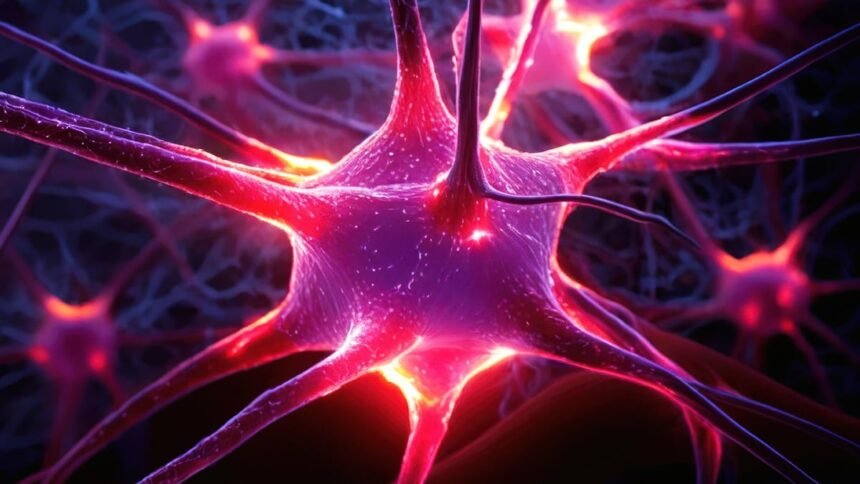
The study found that brains that resist Alzheimer’s have a unique set of characteristics, including a higher density of neurons in certain areas and a more efficient network of brain connections. This suggests that these brains may be better equipped to compensate for the damage caused by the disease.
- A higher concentration of neurons in the hippocampus, a region critical for memory formation
- A more extensive network of neural connections, allowing for more efficient communication between brain cells
- A lower level of neuroinflammation, which is thought to contribute to the progression of Alzheimer’s
These findings have significant implications for the development of new treatments for Alzheimer’s, which currently affects over 50 million people worldwide. By understanding what makes some brains more resistant to the disease, researchers may be able to develop targeted therapies that promote these protective mechanisms.