
Introduction
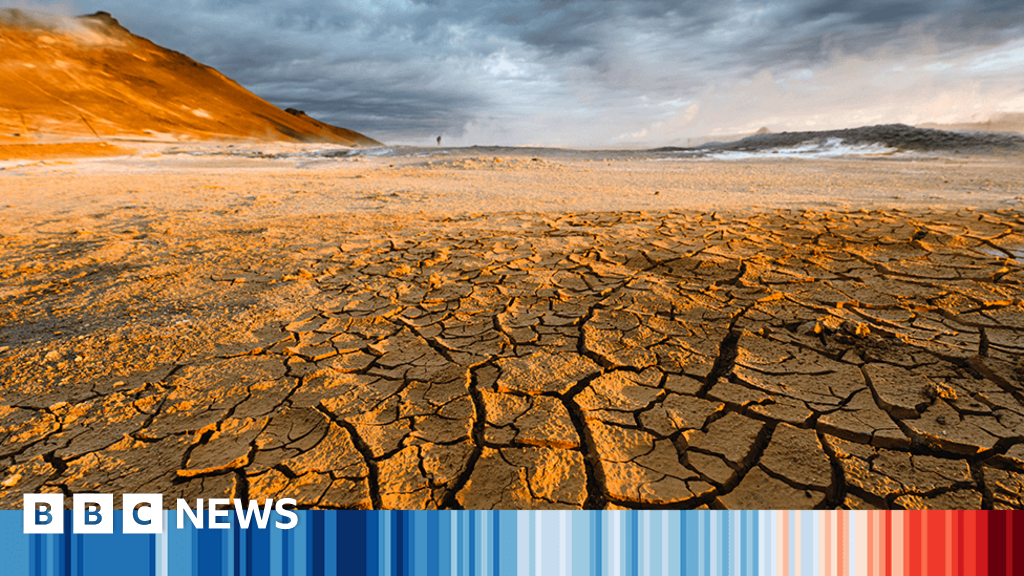
Climate change is having a disproportionate impact on women in South Africa, particularly those from marginalized communities. As the country grapples with intensified heat, floods, and droughts, it has become clear that the effects of climate change are not only environmental but also deeply social.
The Impact of Climate Change on Women
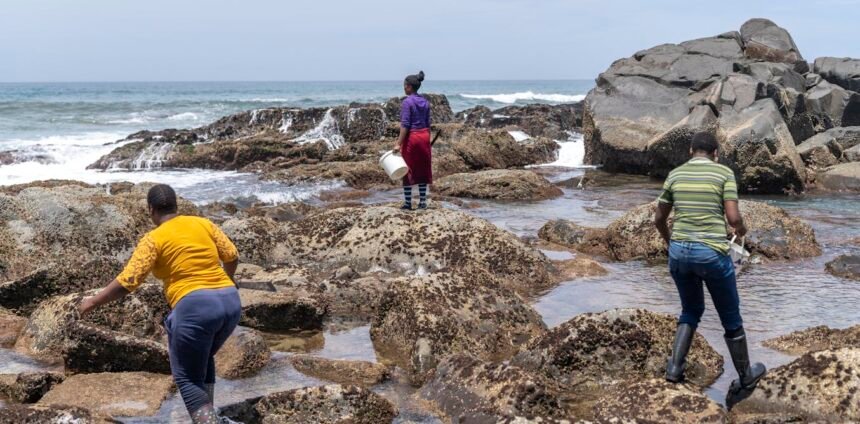
The increasing frequency and severity of extreme weather events are exacerbating existing social inequalities. Women, especially those from rural areas, are more likely to be responsible for collecting water, firewood, and other essential resources. As climate change disrupts these resources, women’s workloads increase, leaving them with less time for other activities, including education and economic empowerment.
Race, Class, Age, and Power Dynamics
The intersectionality of race, class, age, and power dynamics plays a significant role in how climate change affects women. Historically disadvantaged groups, such as black women, are more vulnerable to climate-related hazards due to limited access to resources, infrastructure, and social services. Furthermore, age is a critical factor, as older women may face additional challenges in adapting to climate change due to limited mobility and access to information.
Climate Risk Assessments and Support
Climate risk assessments are crucial in determining who receives support and where funds are allocated. However, these assessments often overlook the specific needs and vulnerabilities of women. It is essential to incorporate a gender-sensitive approach into climate risk assessments to ensure that the unique challenges faced by women are addressed.
- Integrating women’s perspectives into climate policy and decision-making processes
- Providing training and capacity-building programs for women to enhance their resilience to climate change
- Supporting women’s economic empowerment through climate-resilient agriculture and other initiatives