
Introduction to Jerusalem’s Flag March
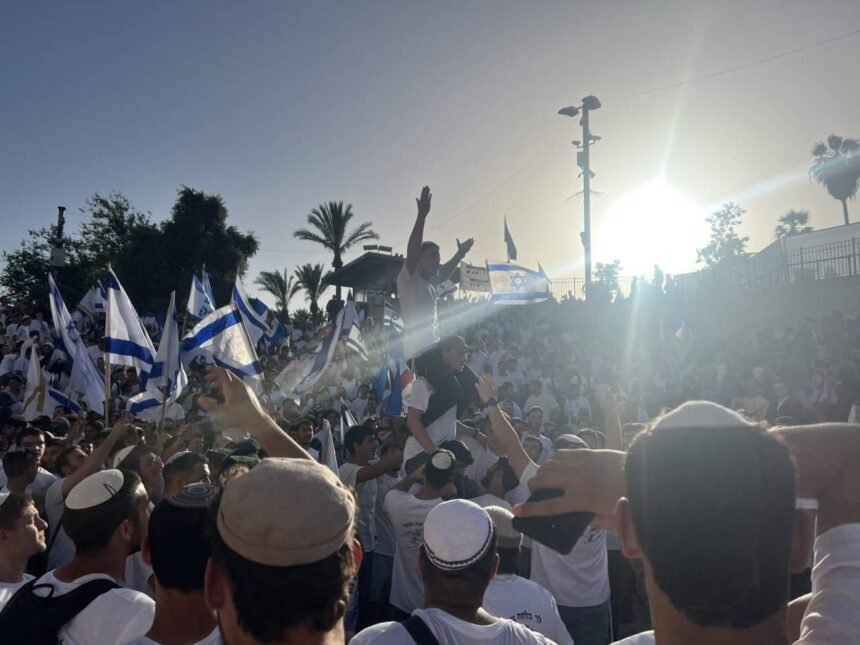
As Jerusalem Day festivities commenced, an air of anticipation and tension hung over the Old City. The normally vibrant Muslim quarter had fallen silent by late morning, with shopkeepers closing their stores in anticipation of the Ultra-nationalist ‘Flag March’.
The march, which has been a point of contention for years, saw thousands of Israeli nationalists make their way through the city, waving flags and chanting slogans. The event is seen by many as a celebration of Israeli sovereignty, but for others, it’s a painful reminder of the ongoing Israeli-Palestinian conflict.
Understanding the Significance of the Flag March
The Flag March holds significant importance in the Israeli calendar, marking the reunification of Jerusalem in 1967. However, for Palestinians, the event serves as a harsh reminder of their displacement and the loss of their homeland. The conflicting narratives surrounding the march highlight the deep-seated divisions within Israeli society.
- The march is seen as a celebration of Israeli identity and sovereignty.
- For Palestinians, it’s a painful reminder of their displacement and the ongoing conflict.
- The event has been criticized for its potential to incite violence and hatred.
As the world watches the developments in Jerusalem, it’s essential to understand the complex and sensitive nature of the conflict. The Flag March serves as a microcosm of the broader societal issues in Israel, highlighting the need for dialogue and reconciliation.