Introduction to the Chaos
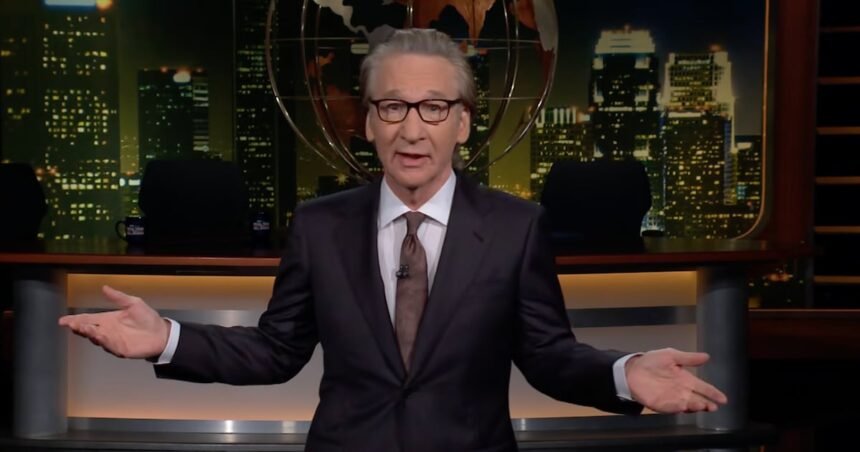
The world of late-night television and politics has witnessed yet another episode of high-profile controversy. Bill Maher, known for his biting satire and unapologetic opinions, has made a surprising move by extending an olive branch towards none other than Donald Trump. This gesture comes after a whirlwind of drama surrounding the Kennedy Center Award.
The Kennedy Center Award Conundrum
The Kennedy Center Awards, one of the most prestigious honors in the American entertainment industry, recently found itself at the center of a political storm. At the heart of the controversy was an attempt to prevent a coveted award from reaching the trophy case of a late-night host. The situation escalated when it became known that the effort was linked to the current administration, specifically to President Donald Trump.
Despite the tumultuous background, Bill Maher, in a surprising turn of events, chose to take a softer stance towards the president. This unexpected shift in demeanor has raised eyebrows across the media landscape, sparking a heated debate about the motives behind Maher’s sudden change of heart.
Understanding the Backdrop
To grasp the full extent of this unexpected turn, it’s essential to understand the historical context of Bill Maher’s interactions with Donald Trump. Known for his sharp criticisms and unflinching opinions, Maher has been a vocal opponent of many of Trump’s policies and actions.
- His show, Real Time with Bill Maher, has been a platform for discussing and dissecting the intricacies of American politics, often with a critical eye towards the current administration.
- Maher’s ability to blend humor with hard-hitting commentary has made him a figure of both admiration and controversy, reflecting the deeply polarized nature of American society today.
A Closer Look at the Implications
This newfound approach by Bill Maher towards Donald Trump opens up a multitude of questions regarding the dynamics of media and politics. It prompts a deeper examination of the factors that influence public figures’ stances and the ever-blurring lines between entertainment and political discourse.
More Read

As the media and the public alike strive to understand the underlying reasons for Maher’s change in attitude, one thing is clear: the intersection of politics and media has never been more complex. The implications of such shifts in public figures’ stances can have far-reaching effects, both on their personal careers and on the broader societal landscape.