
Introduction to Birthright Citizenship
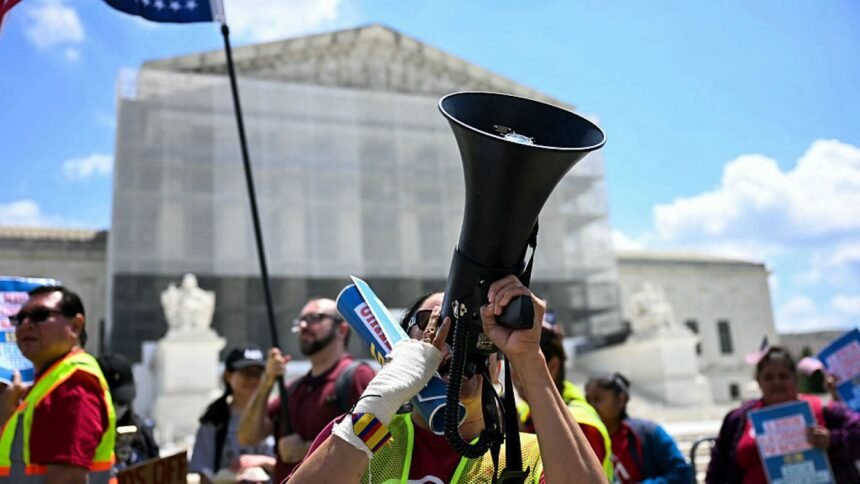
The concept of birthright citizenship, which grants automatic citizenship to children born in the United States, is set to be debated in the Supreme Court. This decision could have far-reaching implications for the country’s immigration policies and the lives of countless individuals. The hearing, scheduled to take place on Wednesday, marks a crucial milestone in the ongoing discussion surrounding citizenship laws.
Current Laws and Controversies
Presently, the 14th Amendment to the U.S. Constitution is the foundation for birthright citizenship. It states that all persons born or naturalized in the United States, and subject to the jurisdiction thereof, are citizens of the United States. However, the interpretation and application of this amendment have been subjects of controversy, with some arguing that it does not apply to children of undocumented immigrants.
- The debate surrounding birthright citizenship often intersects with discussions on immigration reform and border control.
- Proponents of birthright citizenship argue that it is a fundamental right enshrined in the Constitution, promoting unity and inclusivity.
- Opponents, however, suggest that the current interpretation may incentivize illegal immigration and place undue burdens on public resources.
Public Opinion and Potential Outcomes
Public opinion on birthright citizenship is divided, reflecting the broader political and social divides within the country. Some Americans view it as an essential component of the nation’s identity and a symbol of opportunity, while others see it as a policy that needs reform to address modern immigration challenges.
The Supreme Court’s decision, expected in the coming months, could significantly impact the legal and social landscape of the United States. If the court rules in favor of restricting birthright citizenship, it could lead to a shift in immigration policies and potentially affect the status of thousands of individuals born in the U.S. to non-citizen parents.