
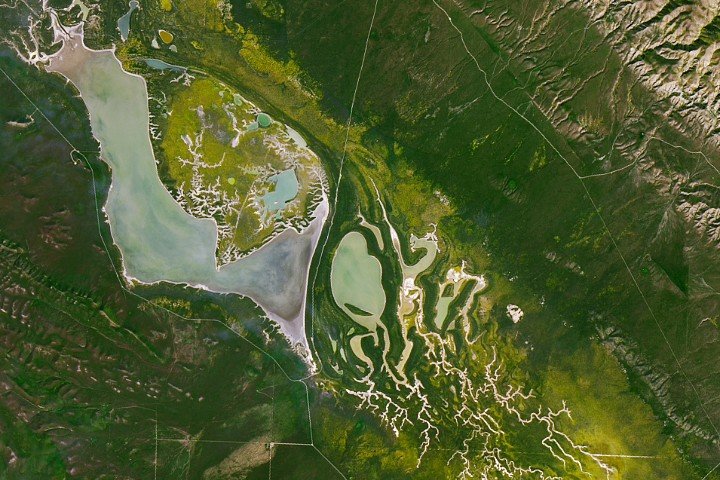
NASA Scientists Marvel at California’s Wildflower Explosion
A breathtaking display of colorful wildflowers has transformed California’s Carrizo Plain and surrounding mountain ranges into a kaleidoscope of hues, leaving NASA scientists in awe.
The phenomenon, often referred to as a ‘superbloom,’ occurs when an unusually high volume of rainfall triggers an explosion of wildflower growth, painting the landscape with vibrant colors. While opinions may vary on whether this particular event qualifies as a ‘superbloom,’ there is no denying the sheer scale and beauty of the wildflowers that have blanketed the region.
What Causes a Superbloom?
A combination of factors contributes to the occurrence of a superbloom, including heavy rainfall, mild temperatures, and the presence of a diverse range of wildflower species. The Carrizo Plain, with its unique geology and climate, provides an ideal environment for these conditions to come together.
- Heavy rainfall: Above-average precipitation in the region has provided the necessary moisture for wildflowers to germinate and grow.
- Mild temperatures: A relatively cool winter and spring have allowed the wildflowers to bloom in unison, creating a stunning display of color.
- Diverse wildflower species: The Carrizo Plain is home to a wide variety of wildflower species, each with its own unique characteristics and growth habits.
NASA scientists are actively monitoring the superbloom, using advanced technologies such as satellite imaging and aerial photography to study the event and gain a deeper understanding of the underlying environmental factors that contribute to its occurrence.