The Unwavering Reign of the Dollar in Global Oil Trade
For decades, the U.S. dollar has reigned supreme as the global currency of choice for international trade and reserves, with the Middle East oil trade playing a pivotal role in reinforcing its dominance. However, the ongoing tensions between the United States and Iran have set the stage for a potential shift in the global economic landscape, threatening to undermine the dollar’s long-standing supremacy.
Rise of the Petroyuan: A Challenge to Dollar Hegemony
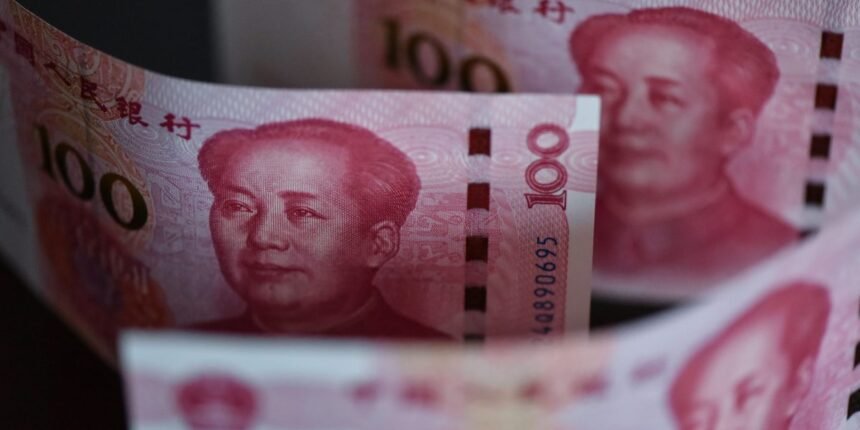
China, seeking to expand its economic influence and reduce its reliance on the U.S. dollar, has been actively promoting the use of its currency, the yuan, in international trade. The petroyuan, a term coined to describe the use of the yuan in oil transactions, has gained significant traction in recent years, with several countries, including Iran, beginning to embrace it as an alternative to the dollar.
The implications of a rising petroyuan are far-reaching, with the potential to erode the dollar’s dominance in global trade and reserves. As the U.S. security shield weakens, countries may increasingly turn to alternative currencies, such as the yuan, to settle their oil transactions.
Key Factors Driving the Shift
- Geopolitical tensions: The ongoing conflict between the United States and Iran has created an opportunity for China to promote its currency as a viable alternative to the dollar.
- Economic diversification: Countries seeking to reduce their reliance on the U.S. dollar are turning to alternative currencies, such as the yuan, to settle their international transactions.
- Increasing trade volumes: The growing trade volumes between China and other countries, particularly in the Middle East, have created a fertile ground for the petroyuan to flourish.
As the global oil trade continues to evolve, it remains to be seen whether the petroyuan will emerge as a significant challenger to the dollar’s dominance. However, one thing is certain – the shifting landscape of international trade and geopolitics will have far-reaching implications for the global economy.