
Groundbreaking Discovery Under the Great Salt Lake
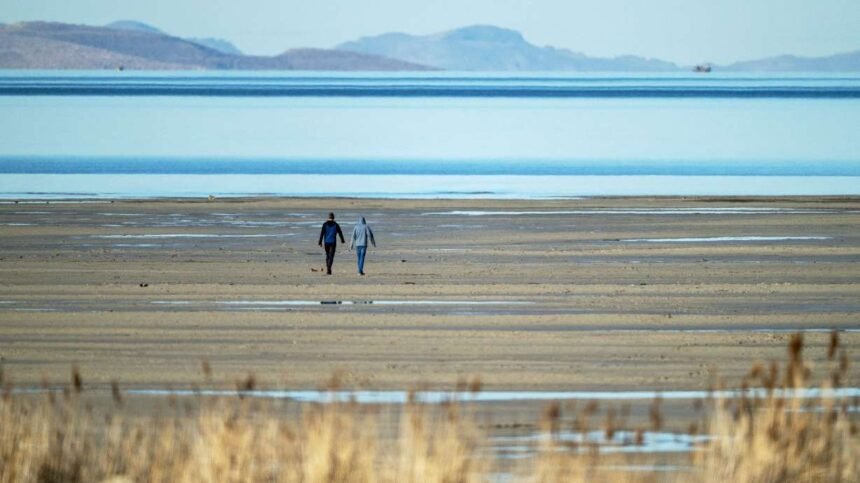
Researchers from the University of Utah have made a remarkable discovery that could potentially alleviate the dust pollution concerns plaguing Utah’s population. Amidst the declining water levels of the Great Salt Lake, exposing approximately 800 square miles of lake playa, the team has identified a significant freshwater reservoir lying beneath the surface.
This finding not only sheds new light on the geological composition of the area but also offers hope for mitigating the severe dust storms that have become commonplace due to the lake’s shrinking water levels. The exposure of the lake bed has resulted in substantial dust pollution, affecting air quality and posing health risks to nearby residents.
Implications of the Discovery
- Potential for reducing dust pollution by rehydrating the exposed lake bed.
- Significant implications for the regional ecosystem and biodiversity.
- Opportunities for further research into the geological and hydrological dynamics of the Great Salt Lake.
The discovery underscores the importance of continued scientific exploration and the potential for innovative solutions to environmental challenges. As research progresses, the potential benefits of this hidden freshwater reservoir could extend beyond local environmental concerns, contributing to a broader understanding of freshwater management and conservation.