
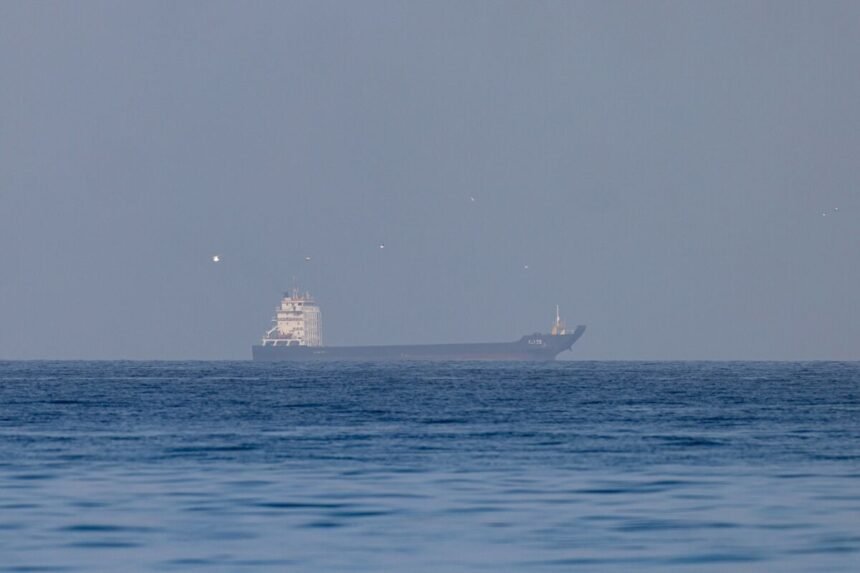
Strait of Hormuz: Iran’s Latest Move to Assert Control
Iran has begun imposing transit fees on certain commercial vessels navigating through the strategic Strait of Hormuz, a development that underscores Tehran’s grasp over the world’s most critical maritime energy route.
The Strait of Hormuz, connecting the Persian Gulf to the Gulf of Oman, is a vital waterway through which a significant portion of the world’s oil supplies pass. Iran’s decision to charge transit fees is seen as an assertion of its authority over this crucial passage.
Implications of the Transit Fees
The imposition of transit fees on commercial vessels has significant implications for global energy trade. It not only reflects Iran’s control over the region but also its ability to influence the global energy market. The fees are expected to impact the operational costs of shipping companies and could potentially lead to increased oil prices.
- Iran’s control over the Strait of Hormuz gives it considerable leverage in global energy politics.
- The transit fees could lead to increased costs for shipping companies, potentially affecting global oil prices.
- This move by Iran is part of its broader strategy to assert its dominance in the region.
The international community is watching these developments closely, given the strategic importance of the Strait of Hormuz. Any disruptions or increased costs in this region can have far-reaching consequences for the global economy.