Introduction to Cloud Computing
Cloud computing has revolutionized the way enterprises develop software, with a focus on speed, scalability, security, and availability. As companies strive to build applications that meet these demanding criteria, they are increasingly turning to cloud services to power their operations. The big three players in the cloud computing market – Amazon Web Services (AWS), Microsoft Azure, and Google Cloud Platform (GCP) – offer a range of services and tools to support modern enterprise software development.
Understanding Multi-Cloud Strategies
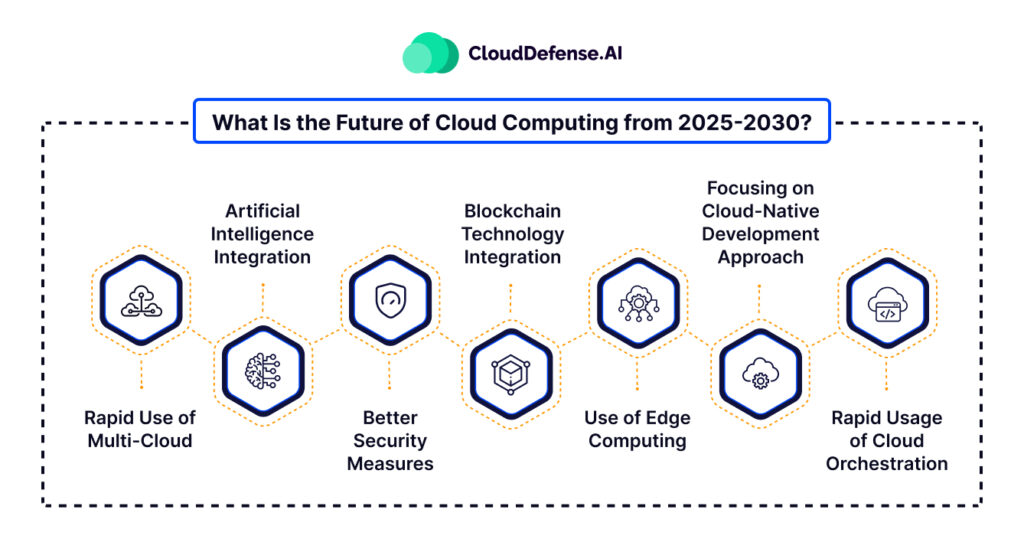
A key trend in cloud adoption is the move towards multi-cloud strategies, where companies use a combination of cloud services from different providers to meet their specific needs. This approach allows businesses to leverage the strengths of each cloud provider, avoid vendor lock-in, and optimize their cloud spend. However, it also introduces complexity and requires careful management to ensure seamless integration and operation.
- AWS offers a wide range of services, including compute, storage, database, and analytics, making it a popular choice for enterprises with diverse workloads.
- Azure provides strong integration with Microsoft products and a comprehensive set of cloud services, including artificial intelligence, machine learning, and cybersecurity.
- Google Cloud is known for its expertise in AI, machine learning, and data analytics, making it an attractive option for companies with advanced data-driven applications.
Key Considerations for Multi-Cloud Adoption
As companies embark on their multi-cloud journey, several factors come into play. These include the need for standardized security protocols, effective cost management, and skilled personnel to manage the complexity of multi-cloud environments. Additionally, companies must assess their application portfolios to determine which workloads are best suited for each cloud provider, taking into account factors such as data gravity, latency, and regulatory compliance.