
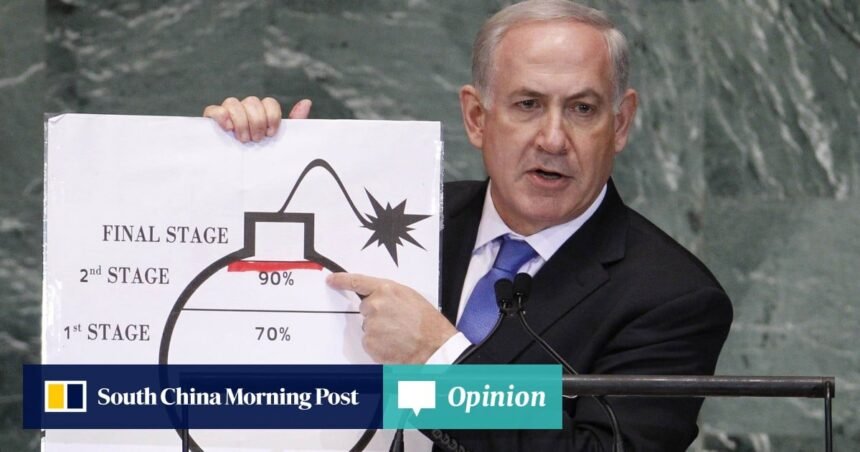
The Quest for Nuclear Non-Proliferation
The Middle East has long been a hotbed of geopolitical tensions, with the threat of nuclear proliferation hanging precariously in the balance. Israel’s publicly stated objective of preventing Iran from acquiring nuclear weapons has sparked intense debate, raising fundamental questions about the sustainability of a double standard in the region.
At the heart of this conundrum lies the uncomfortable truth that Israel itself is believed to possess a nuclear arsenal, a fact that has been deliberately obscured from public view. This glaring disparity has significant implications for regional stability and the broader non-proliferation agenda.
Regional Implications and Global Concerns
The potential consequences of a nuclear arms race in the Middle East are dire, with the risk of catastrophic conflict ever-present. The international community has a vested interest in preventing such an outcome, but the current trajectory suggests a perilous path ahead. Key concerns include:
- The potential for nuclear materials to fall into the wrong hands, exacerbating the threat of terrorism and global instability.
- The destabilizing effect of nuclear proliferation on regional security dynamics, potentially drawing in other nations and escalating tensions.
- The long-term environmental and health impacts of nuclear weapons development and testing, affecting not just the region but the world at large.
For a lasting resolution to the nuclear standoff in the Middle East, a more nuanced approach is necessary, one that addresses the underlying insecurities and aspirations of all nations involved. This entails a comprehensive dialogue on disarmament, non-proliferation, and regional security, underpinned by a commitment to transparency and verifiable agreements.