Safeguarding Your Digital Footprint During Tax Season
As tax season approaches, the risk of identity theft and fraud escalates, making it a critical period to ensure your personal data is not readily available online for spammers and scammers to exploit. Data brokers have made it alarmingly easy for unauthorized individuals to access your personal information, including phone numbers, addresses, and more, by providing comprehensive databases that can be accessed with minimal effort.
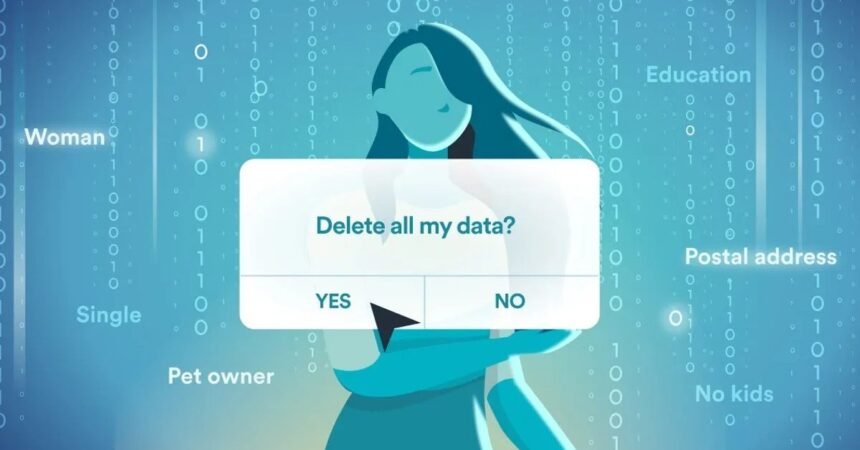
The implications of having your personal data freely available are severe, especially during tax season when such information can be used to file false tax returns, claim refunds, or open fraudulent credit accounts in your name. The process of deleting your personal data from the internet, though challenging, is a crucial step in protecting your identity.
Understanding the Role of Data Brokers
Data brokers compile and sell personal information, often without the individual’s knowledge or consent. This information can include everything from basic contact details to sensitive financial data. The ease with which this data can be accessed and misused underscores the importance of taking proactive steps to remove or restrict access to your personal information online.
- Opt-out Processes: many data brokers offer opt-out processes, which, while sometimes cumbersome, can help in reducing your online footprint.
- Privacy Settings: regularly review and adjust the privacy settings on your social media and other online accounts to limit who can see your information.
- Data Removal Services: consider utilizing services that specialize in removing personal data from online databases, though be cautious and research these services thoroughly.
Ultimately, the task of completely erasing your personal data from the internet is daunting and near impossible due to the vast and intricate nature of online data collection and sharing. However, by being vigilant and taking consistent action, you can significantly reduce your risk of becoming a victim of identity theft and fraud.