
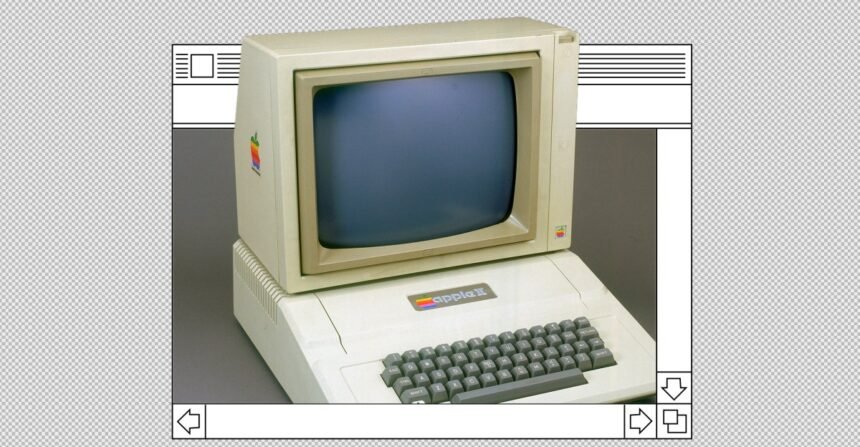
The Birth of a Revolution
In the late 1970s, the world of technology was on the cusp of a revolution, and at the heart of this seismic shift was the Apple II, designed by the ingenious Steve Wozniak. This marvel of engineering not only catapulted Apple into the limelight but also played a pivotal role in the burgeoning personal computer market.
Without Wozniak’s groundbreaking creation, it’s questionable whether Apple would have survived its first decade. The Apple II was more than just a computer; it was a gateway to a new era of technological advancement, democratizing access to computing for the masses.
Impact and Legacy
The Apple II’s influence extends far beyond its impressive sales figures. It was one of the first highly successful mass-produced personal computers, paving the way for future innovations. The computer’s open architecture encouraged a community of developers and hobbyists, leading to a plethora of third-party software and hardware creations.
- It introduced the concept of personal computing to the mainstream, making it possible for individuals to own and operate a computer in their homes.
- Its design and functionality set a new standard for the industry, influencing the development of subsequent personal computers.
- The Apple II played a significant role in launching the careers of countless programmers, entrepreneurs, and innovators, shaping the tech landscape as we know it today.