
Introduction
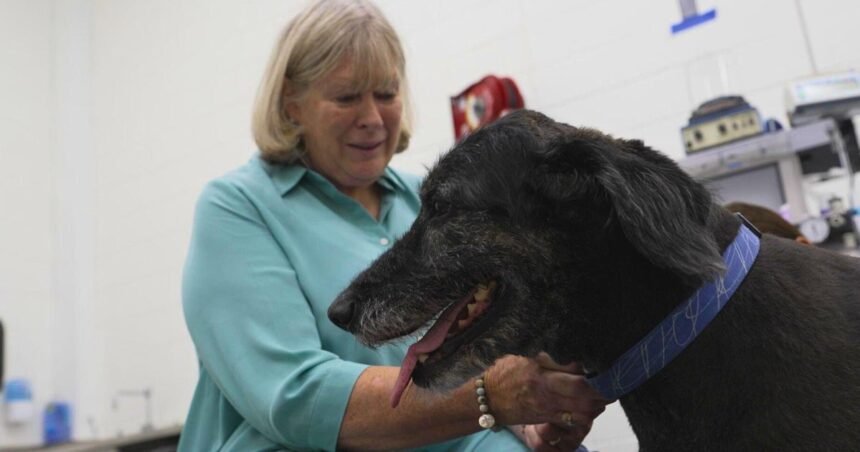
For centuries, dogs have been considered man’s best friend, but recent research suggests that they may hold the key to unlocking the secrets of aging. By studying the aging process in dogs, scientists hope to gain a better understanding of how to treat age-related illnesses in humans.
The Connection Between Dogs and Human Aging
Dogs and humans share many similarities in their aging process, including the development of age-related diseases such as cancer, arthritis, and cognitive decline. However, dogs have a much shorter lifespan than humans, which makes them an ideal model for studying the aging process. By examining the genetic and environmental factors that contribute to aging in dogs, researchers can gain valuable insights into how to promote healthy aging in humans.
Current Research and Findings
Several studies are currently underway to investigate the aging process in dogs. These studies involve analyzing the genetic makeup of dogs, as well as their lifestyle and environmental factors, to identify potential links to age-related diseases. For example, researchers have found that certain breeds of dogs are more prone to specific age-related diseases, such as hip dysplasia and certain types of cancer. By understanding the genetic and environmental factors that contribute to these diseases, scientists can develop new treatments and preventative measures for dogs and humans alike.
- Genetic factors: Researchers are studying the genetic makeup of dogs to identify potential links to age-related diseases.
- Lifestyle factors: Scientists are examining the role of lifestyle factors, such as diet and exercise, in promoting healthy aging in dogs.
- Environmental factors: Researchers are investigating the impact of environmental factors, such as exposure to toxins and stress, on the aging process in dogs.
Implications for Human Health
The research being conducted on dog aging has significant implications for human health. By understanding the factors that contribute to aging in dogs, scientists can develop new treatments and preventative measures for age-related diseases in humans. For example, if researchers can identify a genetic link to a specific age-related disease in dogs, they can develop targeted therapies to treat the disease in humans.