
Introduction
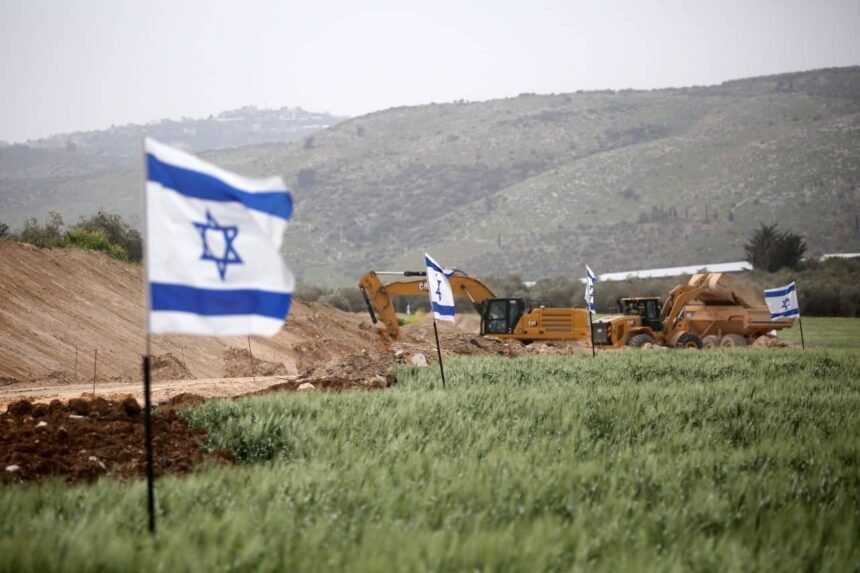
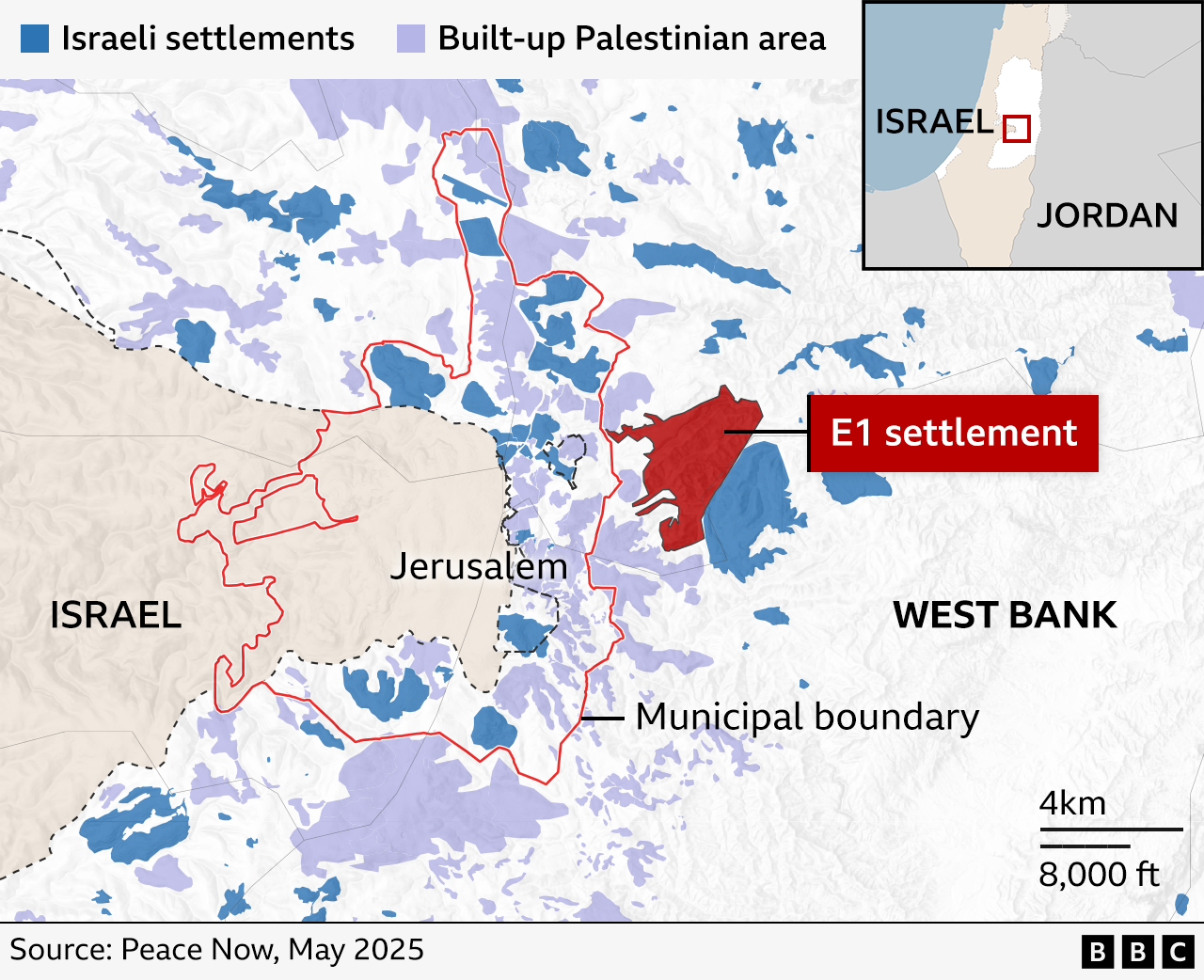
Israel’s government, led by Prime Minister Benjamin Netanyahu, has recently approved the construction of 34 new settlements in the West Bank. This move brings the total number of approved settlements under the current ruling coalition to a significant figure, sparking concerns about the implications for the region’s future.
Background and Context
The expansion of West Bank settlements has been a longstanding issue, with Israel facing international criticism for its policies in the occupied territories. The international community has consistently viewed these settlements as a major obstacle to peace, as they are built on land that Palestinians claim as part of a future independent state.
Despite these criticisms, Israel has continued to expand its settlements, often citing historical, cultural, and security reasons. The pace of this expansion has increased under the Netanyahu government, which has been more supportive of settlement growth than its predecessors.
Implications and Concerns
The recent approval of new settlements comes at a time of significant political change, both within Israel and in the broader Middle East. There are fears that the window of opportunity for Israel to expand its settlements without facing major international repercussions may be closing, prompting the government to accelerate its plans.
The expansion of settlements is not just a political issue; it also has profound social and economic implications for the people living in the West Bank. Palestinians face significant challenges due to the settlements, including limited access to resources, restrictions on movement, and the loss of land and livelihoods.

Possible Outcomes and Future Directions
The international community, including the United States, the European Union, and other key players, will be watching the situation closely. There are calls for Israel to halt settlement expansion and return to peace negotiations with the Palestinians, which have been stalled for several years.
- Possible increased diplomatic pressure on Israel to curb settlement expansion.
- Renewed calls for a two-state solution as the only viable path to peace.
- Potential for heightened tensions and conflict in the region if a resolution is not found.