
Escalating Tensions in the Middle East: A Delicate Balance
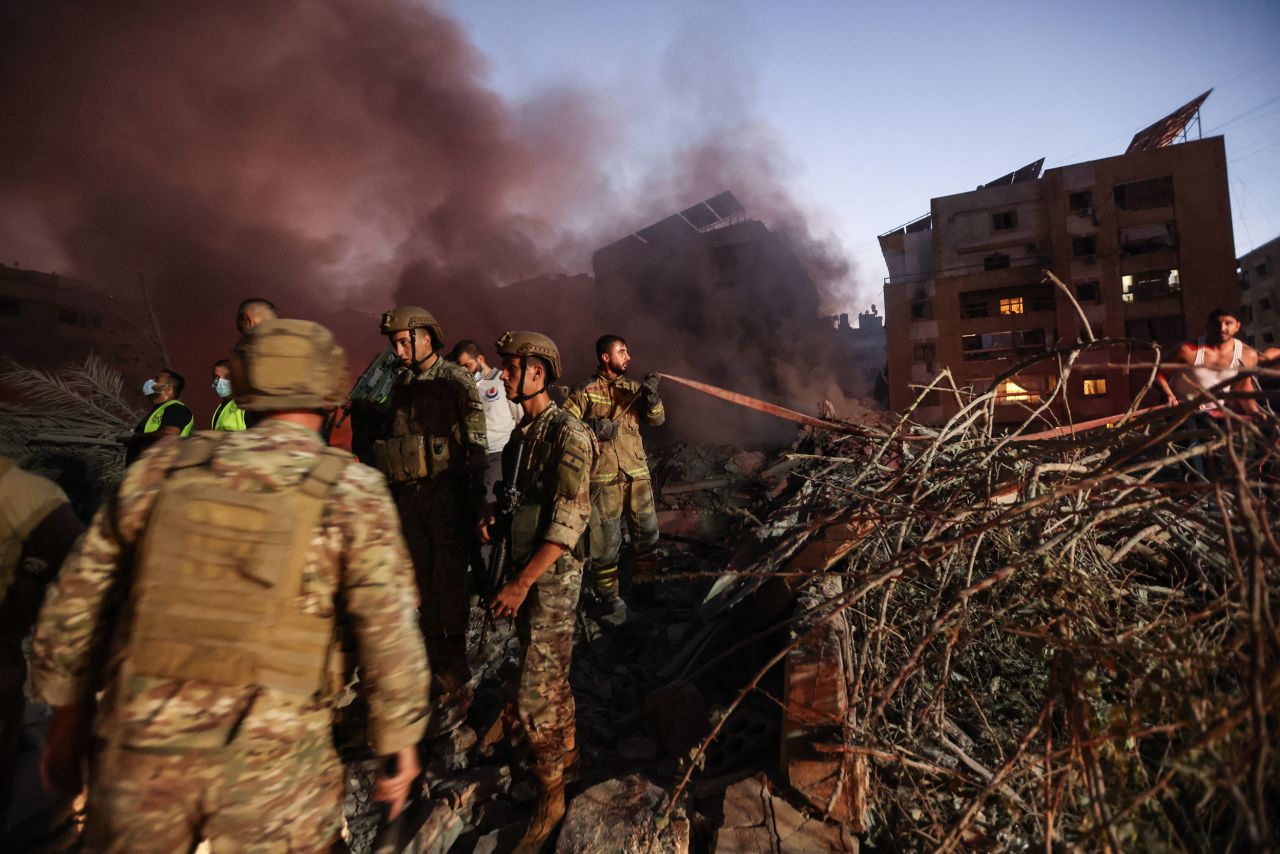
A precarious balance of power in the Middle East is under threat as two crucial ceasefires hang in the balance. The fragile peace agreements, brokered to bring an end to years of conflict and bloodshed, are now on the verge of collapse. This resurgence of tensions has far-reaching implications, not only for the region but also for global stability.
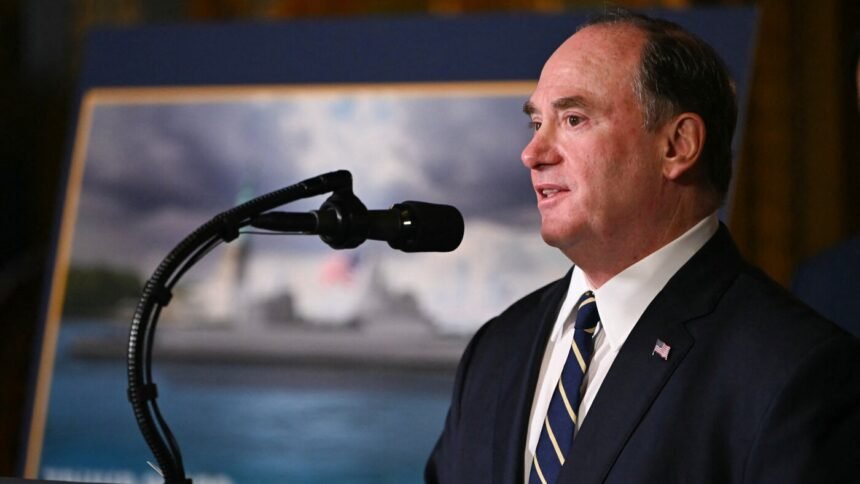
The situation is further complicated by recent developments in the United States, where the Navy secretary has been ousted. This move is seen by many as a significant shift in the country’s military and foreign policy strategy, potentially influencing its approach to conflicts in the Middle East.
Key Points of Concern
- Renewed violence threatens to undermine the ceasefires, plunging the region back into chaos.
- The international community is urging restraint and a return to diplomatic channels to resolve disputes.
- The ousting of the Navy secretary may signal a change in how the U.S. engages with global conflicts, including those in the Middle East.
As the situation continues to unfold, the world watches with bated breath. The Middle East, a region rich in history and natural resources, has long been a focal point of international politics. The preservation of peace and the prevention of further conflict are paramount, requiring careful diplomacy and strategic engagement from all parties involved.