

Iran’s Latest Move in the Strait of Hormuz: A Significant Escalation
Iran has heightened tensions in the critical Strait of Hormuz waterway by seizing two foreign container ships attempting to exit the area and firing at a third vessel. This recent development marks another step in the escalating tensions between the United States and Iran, adding to the complexities of the region’s already volatile geopolitical landscape.
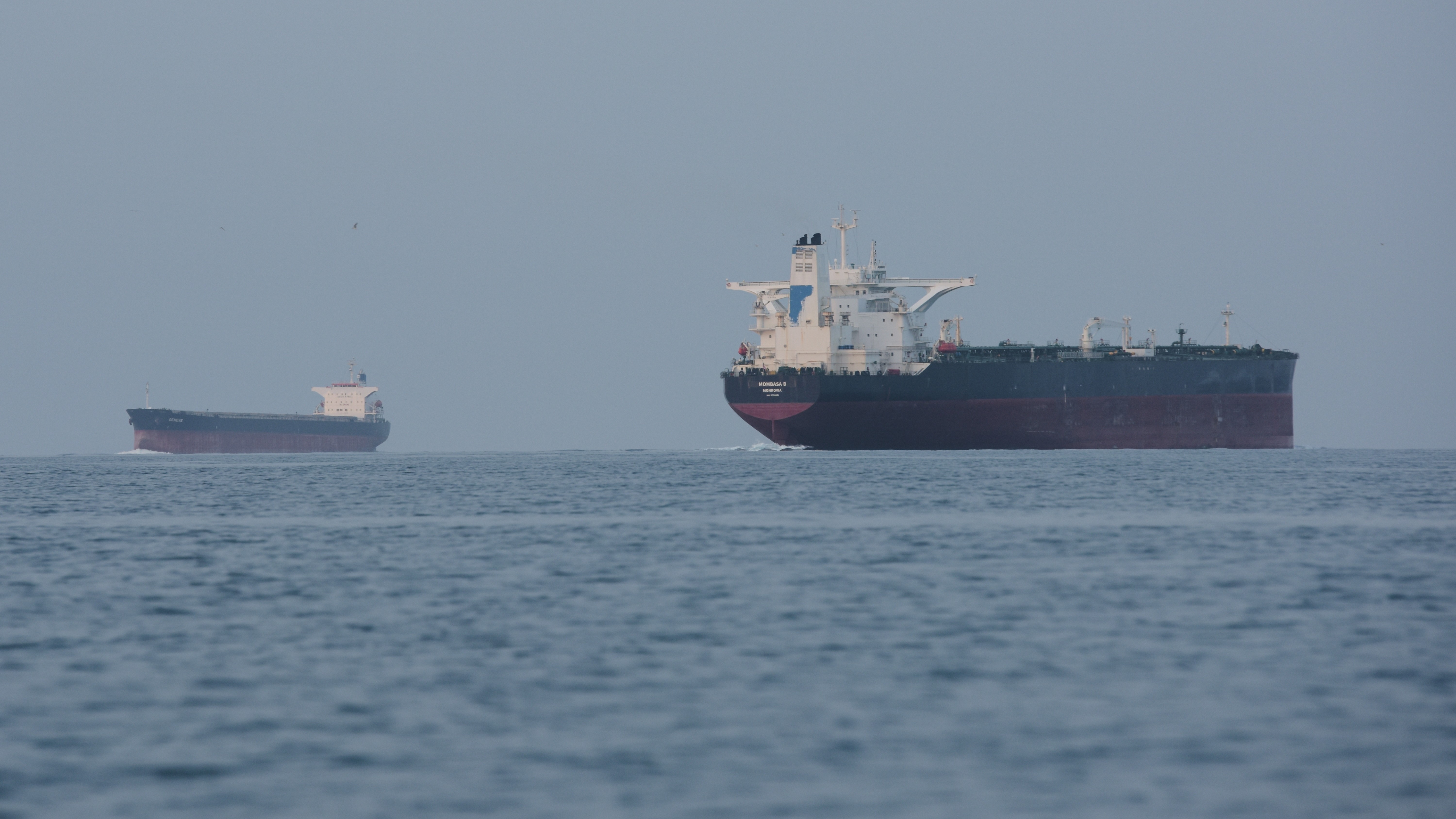
The Strait of Hormuz, a narrow passage that connects the Persian Gulf to the Gulf of Oman, is a crucial waterway for international oil trade, with a significant portion of the world’s oil passing through it. Any disruptions in this area can have profound implications for global energy markets and stability.
Implications and Reactions
The capture of the ships and the firing on another has sparked concern among international communities, with many nations calling for de-escalation and a peaceful resolution to the growing tensions. The incident also underscores the importance of maritime security in the region, highlighting the need for diplomatic efforts to mitigate conflicts and ensure the free flow of trade.
- The incident has the potential to impact oil prices worldwide due to the strategic importance of the Strait of Hormuz.
- International navies have increased their presence in the area to protect shipping lanes.
- Diplomatic channels are being utilized to persuade all parties to avoid further escalation.
In the midst of rising tensions, maintaining open communication and seeking diplomatic solutions are crucial to preventing a wider conflict and ensuring the stability of the region. The situation remains fluid, with the international community watching closely for any developments that could either ease or heighten the current state of affairs.