

Introduction
The recent turmoil in the Middle East has led to increased fuel prices, prompting airlines to reassess their cost management strategies for the upcoming summer season. A closer examination of the situation reveals a divided approach among carriers, with some opting to absorb the additional costs while others are considering the implementation of fuel surcharges.
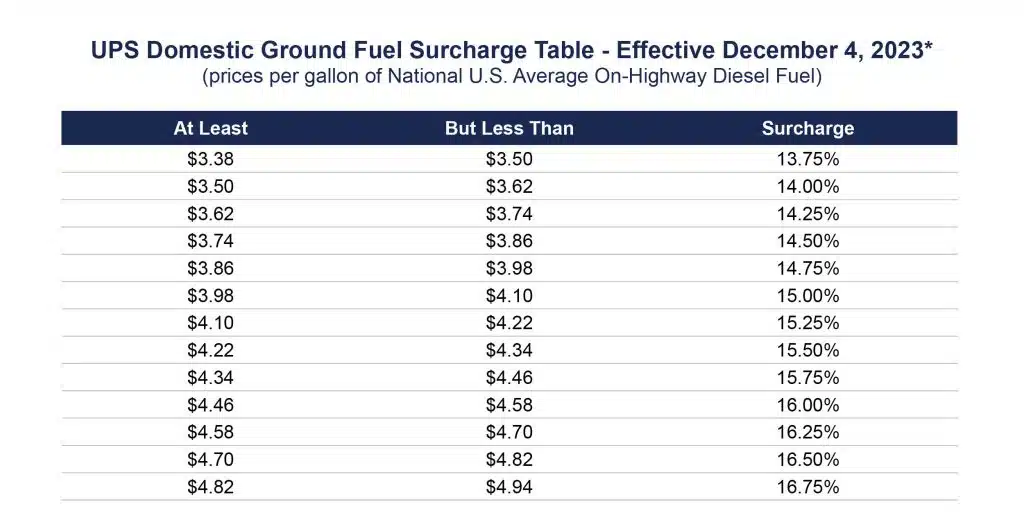
Fuel Surcharges: A Necessary Evil?
The concept of fuel surcharges is not new to the aviation industry. In the past, airlines have resorted to such measures to mitigate the impact of rising fuel costs on their operations. However, the current situation is more complex, with the Middle East conflict adding to the uncertainty. As a result, some airlines have decided to introduce fuel surcharges to maintain their profit margins, while others have chosen to absorb the additional costs, at least for the time being.
A Split Approach
A review of the latest developments reveals a mixed strategy among airlines. Some of the key factors influencing their decisions include:
- Route networks: Airlines operating in regions with high demand and limited competition may be more likely to introduce fuel surcharges.
- Fleet composition: Carriers with newer, more fuel-efficient aircraft may be better positioned to absorb rising fuel costs.
- Financial performance: Airlines with stronger financials may be more inclined to absorb the additional costs, at least in the short term.
Conclusion
In conclusion, the recent developments in the Middle East have created a challenging environment for airlines, prompting them to rethink their cost management strategies. While some carriers have opted to introduce fuel surcharges, others have chosen to absorb the additional costs. As the situation continues to evolve, it will be interesting to see how airlines adapt to the changing landscape and whether the introduction of fuel surcharges becomes a more widespread practice.