
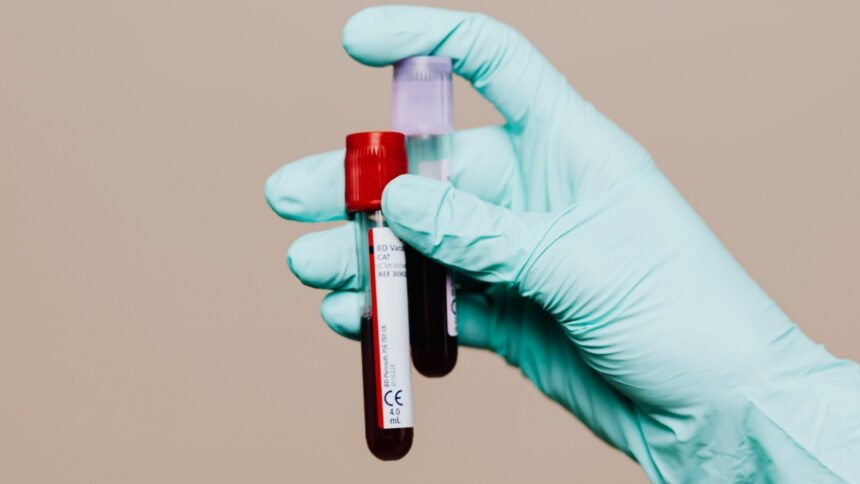
Revolutionary Blood Test Offers New Hope for Early Alzheimer’s Detection
A groundbreaking study led by researchers from Mass General Brigham in the United States has made a significant breakthrough in the fight against Alzheimer’s disease. The team has developed a blood test that can potentially identify individuals at risk of developing Alzheimer’s, even decades before symptoms become apparent.
This innovative test has the potential to revolutionize the way we approach Alzheimer’s diagnosis and treatment. By detecting the disease at its earliest stages, medical professionals can take proactive measures to slow down its progression, improving the quality of life for those affected.
How the Test Works
The blood test measures certain biomarkers in the blood that are associated with Alzheimer’s disease. These biomarkers can indicate the presence of abnormal proteins in the brain, which are a hallmark of the disease. The test is non-invasive, relatively inexpensive, and can be performed in a clinical setting.
- Early detection allows for timely intervention, which can help slow down disease progression
- The test has the potential to reduce the number of unnecessary diagnostic procedures
- It can also enable researchers to develop more effective treatments and prevention strategies
While the test is still in its experimental stages, the results are promising, and researchers are optimistic about its potential to transform the field of Alzheimer’s research. As the study continues to unfold, it is likely that we will see significant advancements in our understanding of the disease and the development of effective treatments.