
Market Stability Amidst Geopolitical Uncertainty
As the world watches the unfolding situation between the United States and Iran, financial markets are navigating uncharted territories. Bitcoin, often considered a safe-haven asset, has shown resilience, holding its ground at approximately $67,545 on Tuesday morning. This stability comes after a minor dip and subsequent recovery, reflecting the cryptocurrency’s ability to weather geopolitical storms.

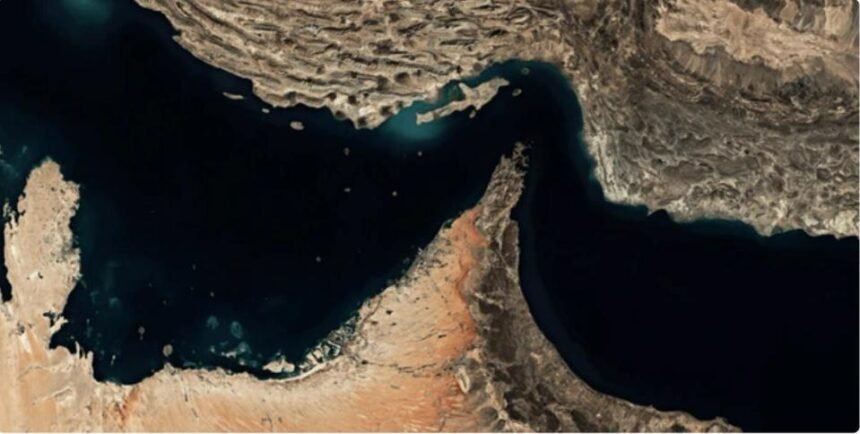
The hints from the Trump administration about potentially de-escalating the conflict with Iran have introduced a new layer of complexity into the market. Investors are cautiously optimistic, yet unsure about the implications of such a move, particularly with the strategic Strait of Hormuz remaining closed. The uncertainty surrounding this critical waterway, through which a significant portion of the world’s oil passes, continues to impact oil prices and, by extension, the global economy.
Global Economic Implications
The repercussions of the U.S.-Iran conflict are far-reaching, affecting not only the Middle East but also having significant implications for global trade and economic stability. The closure of the Strait of Hormuz has the potential to disrupt oil supplies, leading to increased prices and potential shortages. This scenario could have a cascading effect on economies worldwide, influencing inflation, consumer spending, and economic growth.
- The situation underscores the interconnectedness of global economies and the delicate balance of geopolitical tensions.
- Investors are closely watching the developments, seeking safe-haven assets like Bitcoin and gold to hedge against potential downturns in traditional markets.
- The resilience of Bitcoin in the face of such uncertainty highlights its growing appeal as a diversification tool in investment portfolios.