


Understanding the Context
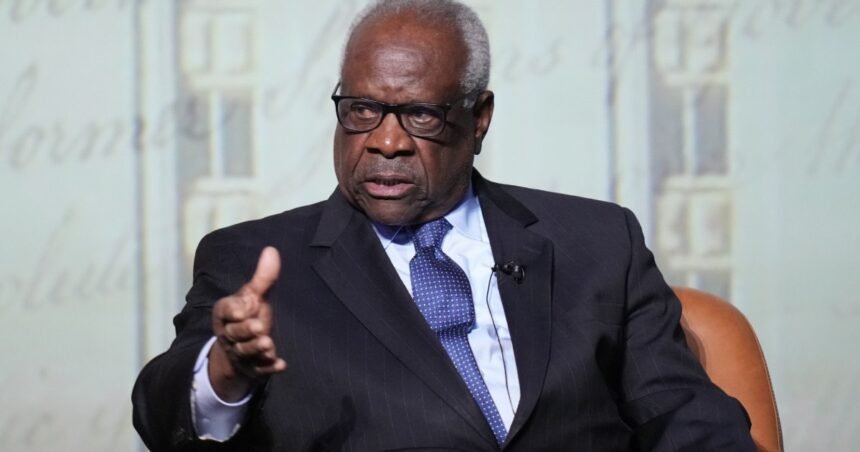
Recent statements made by Supreme Court Justice Clarence Thomas at the University of Texas have sparked intense debate and scrutiny. On April 15, Justice Thomas addressed a gathering, and his words have been subject to various interpretations, leading to a flurry of discussions in legal, political, and social circles.
The significance of these remarks lies not just in their potential impact on legal precedents but also in the broader context of judicial philosophy and the role of the Supreme Court in American society. Justice Thomas, known for his conservative views, has been a pivotal figure in shaping the court’s decisions on numerous critical issues.
The Importance of Judicial Rhetoric
Judicial rhetoric, or the way judges communicate their thoughts and decisions, plays a crucial role in how the public perceives the judiciary. The words of justices like Clarence Thomas carry weight, not only because of their legal implications but also due to their influence on public discourse and political agendas.
- They can set the tone for national conversations on sensitive topics.
- They can inspire or provoke, depending on one’s perspective.
- They reflect the justices’ legal philosophies and values.
As such, when a justice makes what appear to be radical remarks, it is essential to consider the context, the potential implications, and the reactions from various stakeholders, including legal scholars, politicians, and the general public.
Misinterpretation and the Media
The dissemination of information in today’s digital age can lead to misunderstandings and misinterpretations. News outlets and social media platforms often focus on sensational headlines, which can distort the original message. This can lead to unnecessary controversy and overshadow the core issues at hand.

In the case of Justice Thomas’ remarks, a nuanced understanding requires looking beyond the headlines to the substance of his statements and the broader legal and societal context in which they were made.