
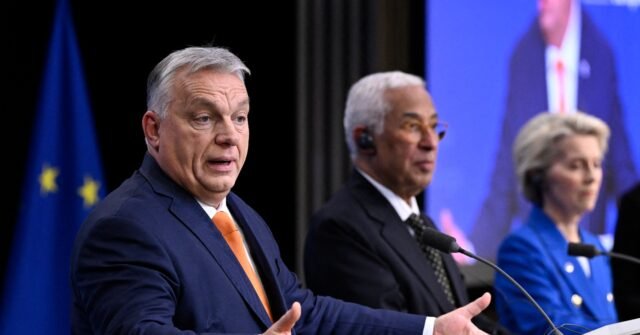
US Lawmakers Claim EU Interference in Hungarian Democracy
A group of Republican lawmakers in the United States has levied serious allegations against the European Union, accusing the bloc of attempting to sway the outcome of Hungary’s elections. The controversy centers around claims that the EU has been actively working to undermine the re-election bid of Prime Minister Viktor Orbán.
The lawmakers argue that such actions constitute a brazen attempt to interfere with the democratic process of a sovereign nation, echoing concerns about election integrity and the role of external influences in shaping political outcomes. This development has significant implications for both the EU and Hungary, potentially straining diplomatic relations between the two entities.
Background and Context
The relationship between the EU and Hungary has been complex, with disagreements over issues like migration policy, judicial independence, and media freedom. These tensions have led to speculation about the EU’s stance on Orbán’s government and its policies. The accusations of election interference, however, mark a new and potentially combustible dimension in their relationship.
The situation is further complicated by the geopolitical dynamics at play. The United States, under its current administration, has shown a keen interest in European affairs, particularly in relation to democratic values and the integrity of elections. The involvement of US lawmakers in this matter reflects broader concerns about the health of democracy globally and the potential for external actors to influence electoral outcomes.
Possible Outcomes and Implications
- The allegations could lead to a heightened sense of scrutiny over the EU’s actions in Hungary, potentially impacting the outcome of future elections and the country’s political landscape.
- Diplomatic relations between the EU and Hungary, as well as between the EU and the US, could become strained, affecting cooperation on key issues like trade, security, and climate change.
- The controversy may prompt a broader discussion about the limits of external influence in democratic processes and the measures needed to protect election integrity in the digital age.
As the situation unfolds, it will be crucial to monitor the responses of all parties involved, including the EU, Hungary, and the US, to understand the full scope of the allegations and their impact on international relations and democratic governance.