
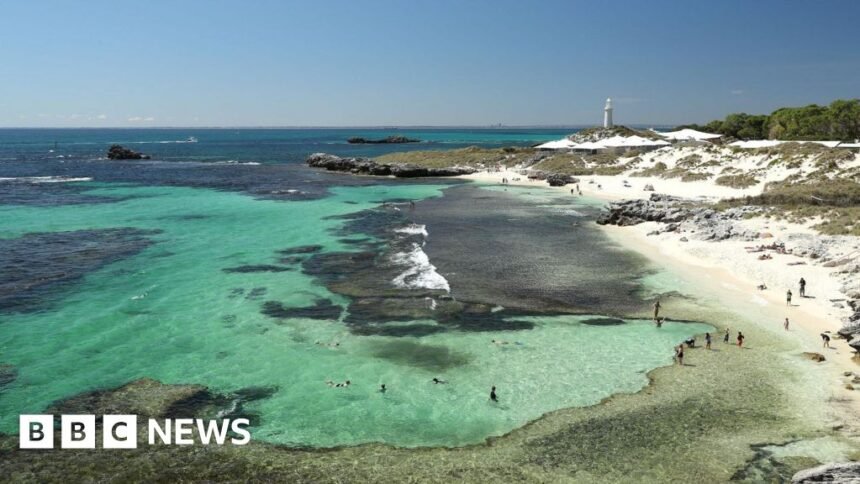
A Tragic Incident Unfolds in Western Australia
A man has lost his life in a catastrophic encounter with a 13ft great white shark off the coast of Western Australia. This unfortunate event adds to the country’s long history of shark attacks, which have been documented since 1791. With almost 1,300 recorded incidents, Australia is one of the countries with the highest number of shark attacks globally.

According to historical data, over 260 of these attacks have been fatal, making shark attacks a significant concern for beachgoers and water sports enthusiasts in Australia. The presence of great white sharks, in particular, poses a considerable threat due to their size, power, and occasional aggression towards humans.
Understanding Shark Attacks
Shark attacks, although rare, can occur due to various factors, including mistaken identity, territorial behavior, and feeding habits. Great white sharks are apex predators that feed on a variety of prey, from fish and seals to other marine mammals. However, they can mistake humans for their natural prey, leading to devastating consequences.
To minimize the risk of shark encounters, authorities and experts recommend several precautions, including:
- Swimming in groups and avoiding isolated areas.
- Avoiding entering the water with open wounds or wearing shiny jewelry that might reflect light and attract sharks.
- Not entering the water at dusk or dawn when sharks are most active.
- Following local safety guidelines and warnings.
While shark attacks are tragic and can be prevented to some extent, they serve as a reminder of the importance of respecting marine life and its habitats. Further research into shark behavior and effective safety measures can help mitigate the risk of such incidents in the future.