

Breaking Free from US Tech Dependence
France has unveiled an ambitious plan to reduce its reliance on American technology, particularly Microsoft Windows. The move, aimed at bolstering the country’s digital sovereignty, involves transitioning some of its government computers to Linux, an open-source operating system. This strategic shift is set to have far-reaching implications for both the French government and the broader tech industry.
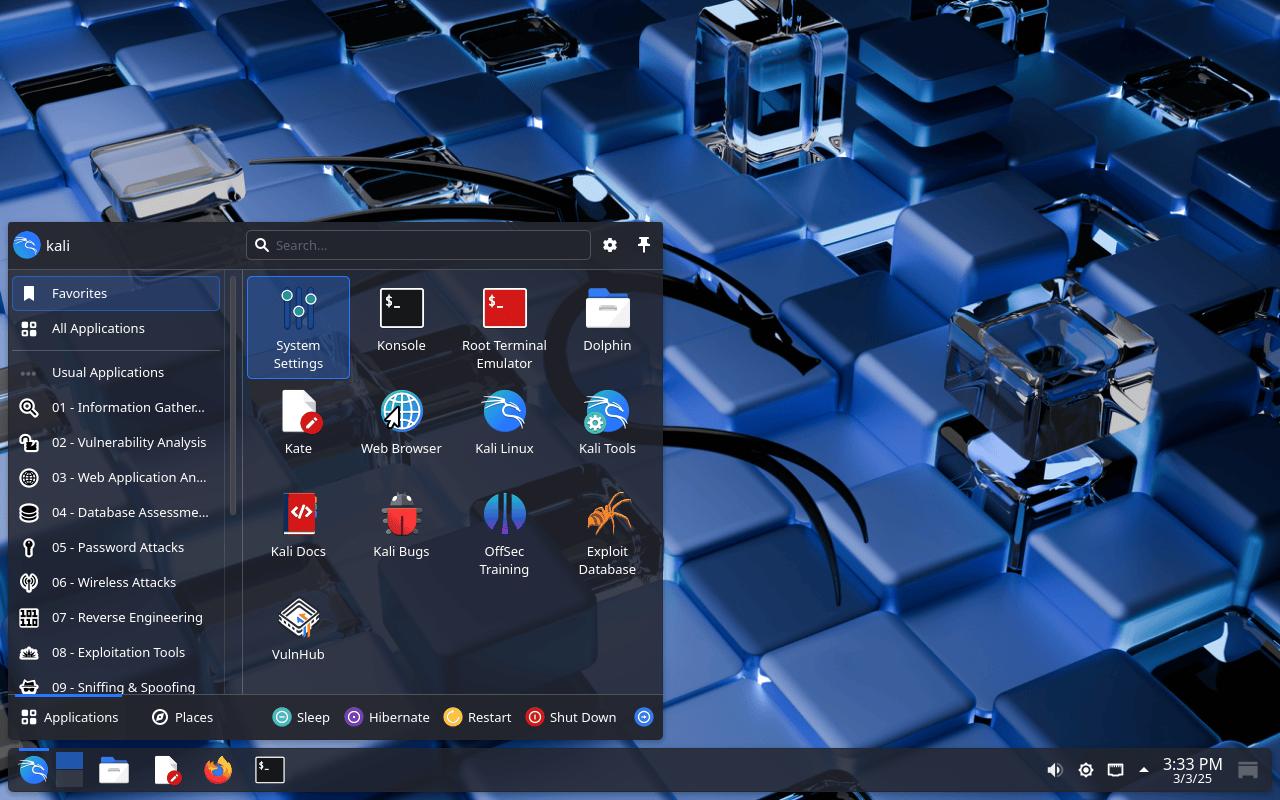
The decision to adopt Linux is part of a broader effort by France to decrease its dependence on foreign, especially US-based, tech solutions. By embracing open-source software, the French government hopes to enhance its control over the IT infrastructure, improve data security, and foster a more vibrant domestic tech ecosystem.
Benefits of the Linux Migration
The migration to Linux promises several benefits, including reduced licensing costs, increased customizability, and better security. Linux, being open-source, allows developers to inspect and modify the code, making it potentially more secure than proprietary operating systems. Additionally, the use of Linux can encourage innovation and collaboration within the tech community, as developers can contribute to the operating system’s development and share knowledge.
- Reduced costs through lower licensing fees
- Enhanced security through community-driven development and audit
- Increased customizability to meet specific government needs
- Promotion of domestic IT industry growth and innovation
The French government’s move towards Linux also reflects a growing trend among countries seeking to assert their digital independence. As the world becomes increasingly digital, the control and security of IT systems have become critical issues for national sovereignty. By taking proactive steps to manage its tech infrastructure, France is setting a precedent for other nations to follow.