
Introduction
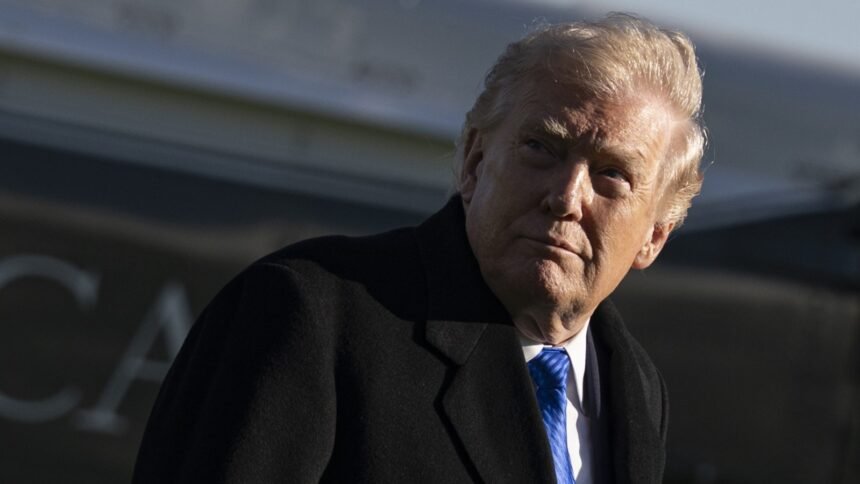
Last weekend, global financial markets were left reeling after President Donald Trump issued a stern warning to Iranian leaders, threatening severe consequences if the Strait of Hormuz is not opened within 48 hours. This move has sparked concerns over potential insider trading and has significant implications for the global economy.

:max_bytes(150000):strip_icc()/Term-Definitions_Insider-trading-011fefceee344ef293501421ed12f39a.jpg)
Understanding the Strait of Hormuz
The Strait of Hormuz is a critical waterway that connects the Persian Gulf to the Gulf of Oman and the Arabian Sea, facilitating the transport of approximately 20% of the world’s oil supply. Any disruption to this waterway could have far-reaching consequences, including increased oil prices and decreased global economic growth.
Insider Trading Allegations
As tensions between the US and Iran continue to escalate, allegations of insider trading have begun to emerge. These allegations suggest that certain individuals may have had access to sensitive information regarding the impending threat, allowing them to make informed investment decisions before the news became public.
Regulatory bodies are now under pressure to investigate these claims and ensure that no unfair advantage was gained. The integrity of the financial markets relies on the principle of fair play, and any instances of insider trading could undermine confidence in the system.
Potential Consequences
- Prolonged market volatility, as investors remain cautious amidst the uncertainty
- Potential increases in oil prices, which could have a ripple effect on the global economy
- Strained relationships between the US and Iran, potentially leading to further conflict
As the situation continues to unfold, it is essential for market watchdogs to remain vigilant and take swift action to address any instances of insider trading. The stability of the global economy depends on the integrity of the financial markets, and any compromise could have severe and long-lasting consequences.