


Iranian Blockade of Chinese Cargo Ships Ends, But Global Concerns Persist
Following a brief yet intense standoff, two Chinese cargo ships have successfully navigated the Strait of Hormuz, a critical maritime route connecting the Persian Gulf to the Gulf of Oman. The ships, which were initially blocked by Iranian authorities last week, were able to traverse the waterway on Monday, according to recent tracking data.

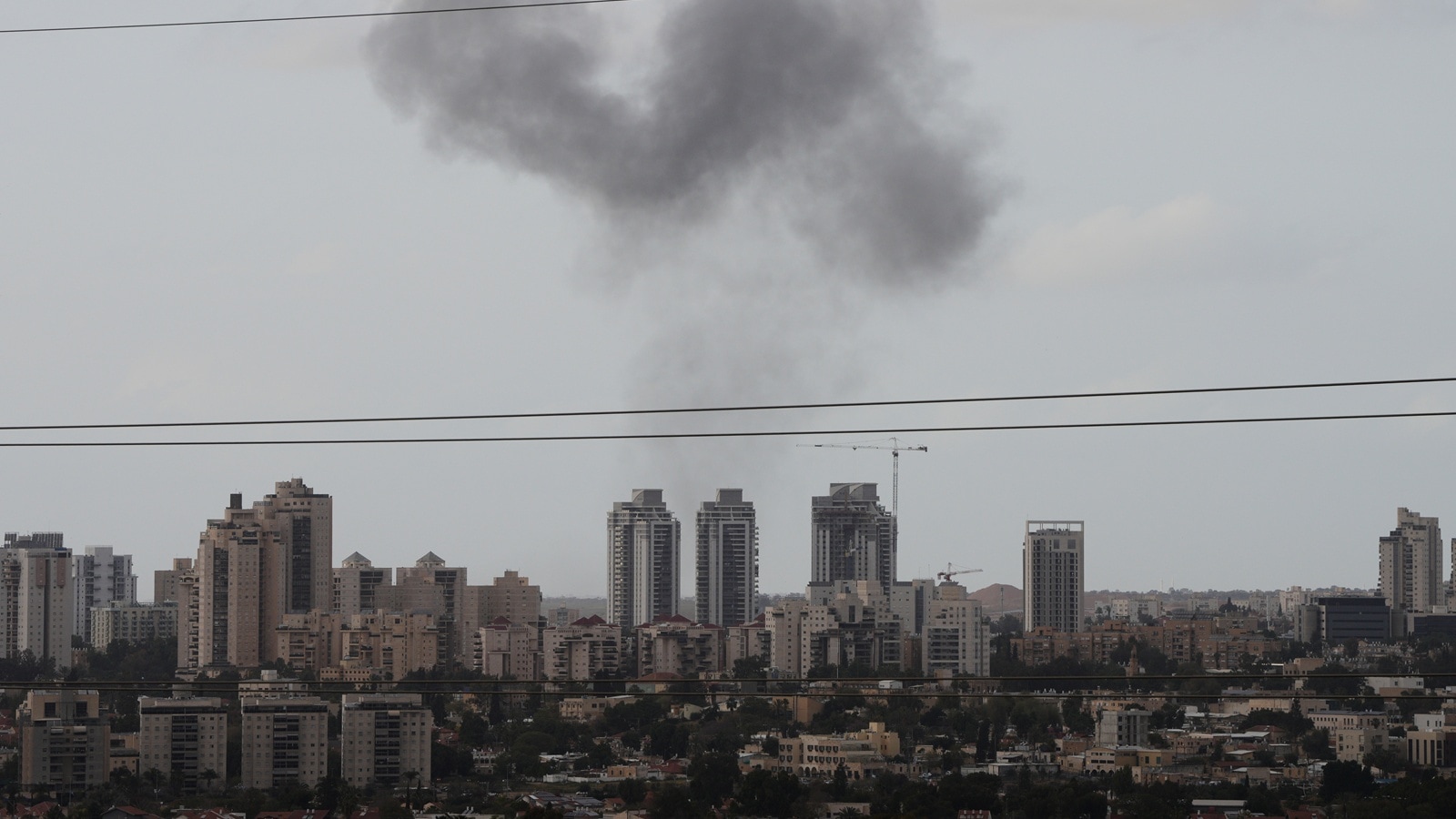
The incident has highlighted the growing tensions between Iran and the international community, particularly in the wake of renewed threats from the United States. With the global economy already on edge, the conflict has sent oil prices soaring, sparking fears of a broader economic downturn.
Economic Implications and Global Response
The Strait of Hormuz is a vital passageway for international oil trade, with approximately 20% of the world’s oil supply passing through the waterway. Any disruption to this route can have significant economic implications, as evidenced by the recent surge in oil prices.
- The conflict has prompted a range of responses from the international community, including diplomatic efforts to ease tensions and economic sanctions aimed at limiting Iran’s ability to export oil.
- As the situation continues to unfold, global leaders are urging restraint and seeking a peaceful resolution to the conflict, recognizing the potential for far-reaching economic and humanitarian consequences.
With the world watching, the developments in the region serve as a stark reminder of the complex and interconnected nature of global politics, economies, and trade. As the international community navigates this challenging landscape, one thing is clear: the need for diplomacy, dialogue, and cooperation has never been more pressing.