

Introduction to India’s Demographic Conundrum
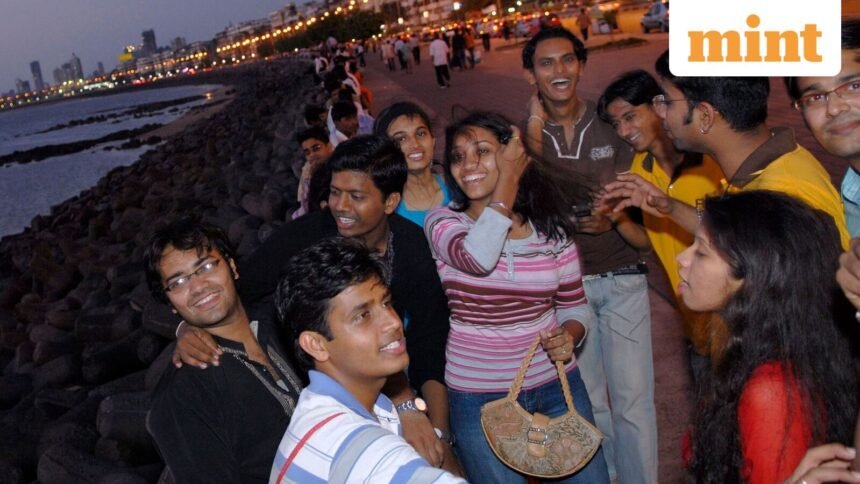
In the early 2000s, India was touted as a future economic powerhouse, with its youthful population being a key driver of growth. The concept of a ‘youth bulge’ refers to a demographic phenomenon where a significant proportion of a country’s population is comprised of young people. However, as India’s population continues to evolve, it is becoming increasingly evident that this demographic shift poses both opportunities and challenges.
The Double-Edged Sword of a Youthful Population
On one hand, a youthful population can be a catalyst for economic growth, as it provides a large workforce and contributes to increased consumer spending. On the other hand, if not managed properly, a youth bulge can lead to increased competition for limited resources, such as jobs, education, and healthcare. This can result in social unrest, inequality, and decreased economic mobility.
Some of the key challenges associated with India’s youth bulge include:
- High unemployment rates among young people
- Limited access to quality education and vocational training
- Inadequate healthcare infrastructure
- Increased pressure on existing resources, such as housing and transportation
Navigating the Demographic Challenge
To mitigate the risks associated with its youth bulge, India must implement policies that promote economic growth, improve access to education and healthcare, and provide job opportunities for its young people. This can be achieved through initiatives such as:
- Investing in vocational training and skills development programs
- Encouraging entrepreneurship and innovation
- Improving access to healthcare and education, particularly in rural areas
- Implementing policies that promote job creation and economic growth