

The Rise of Asymmetric Warfare
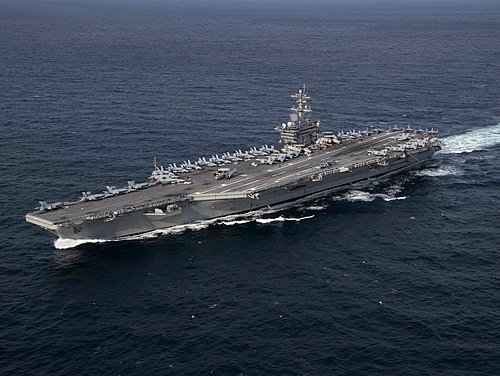
As the USS Abraham Lincoln carrier strike group navigates the Arabian Sea, a peculiar yet significant concern has emerged, captivating the attention of military strategists worldwide. The threat in question is not a sophisticated, high-tech arsenal but rather an armada of low-cost, Iranian drones. These unmanned aerial vehicles (UAVs) have the potential to inflict substantial damage on the formidable US supercarriers, sparking a heated debate about the efficacy of such a tactic.

The concept of asymmetric warfare, where a smaller, less technologically advanced force employs unconventional tactics to counter a larger, more sophisticated opponent, is not new. However, the integration of drones into this strategy introduces a fresh layer of complexity. Iran’s decision to invest in a drone fleet is a calculated move, aiming to exploit the vulnerabilities of its adversaries’ expensive, high-tech assets.
The Drone Fleet: A Force to be Reckoned With
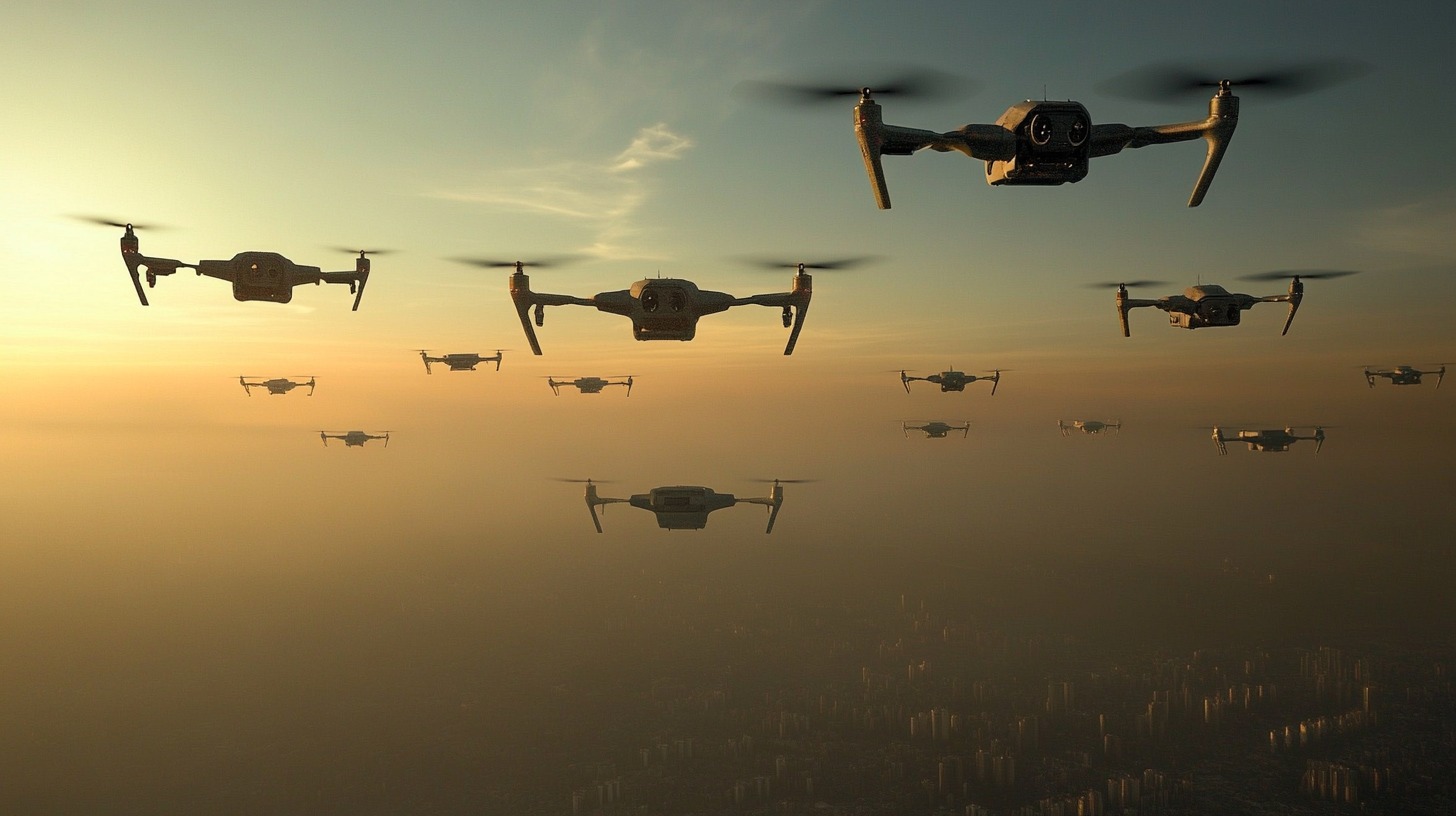
Iran’s drones are not merely simple, remote-controlled aircraft. They are equipped with advanced navigation systems, capable of precision strikes, and can be deployed in swarm formations. This latter tactic, known as a ‘swarm attack,’ involves launching multiple drones simultaneously, overwhelming the defenses of a target. The sheer number of UAVs can saturate a ship’s air defense systems, increasing the likelihood of successful strikes.
- Iran has demonstrated its capability to launch such swarm attacks, showcasing its military prowess in various exercises.
- The low cost of these drones makes them an attractive option for Iran, as the financial burden of losing multiple UAVs is significantly less than that of a manned aircraft.
- The psychological impact of a successful drone attack on a US supercarrier should not be underestimated, as it could undermine the perceived invincibility of these vessels.
The implications of Iran’s drone strategy extend beyond the immediate military context. It highlights the evolving nature of modern warfare, where technological disparities can be bridged by innovative, low-cost solutions. As the world witnesses the growing sophistication of UAV technology, the potential for drone fleets to become a game-changer in naval warfare cannot be ignored.