

The Introduction of Automated Strike Zones in Major League Baseball
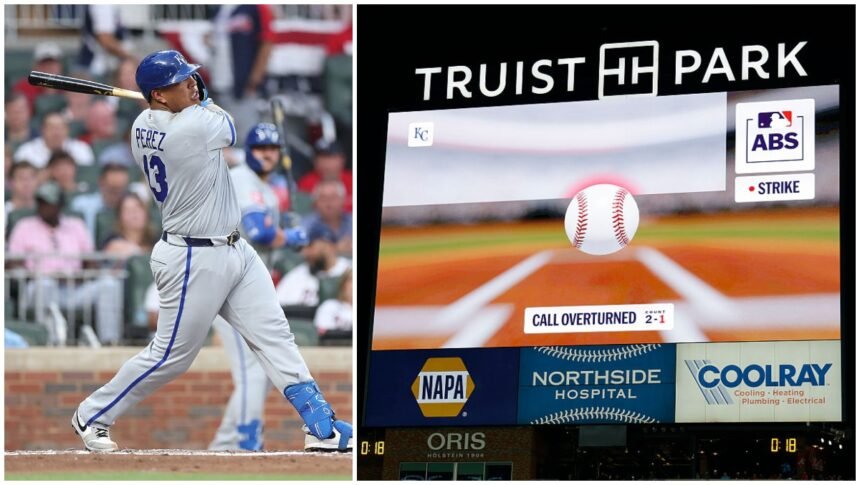
The new Major League Baseball season has begun, and with it, the introduction of Automated Strike Zones (ABS) has sparked controversy. The system, designed to improve the accuracy of umpires’ calls, has already been deployed several times over the first two days of the season. However, its implementation has raised questions about the role of technology in sports and who is to blame when mistakes occur.
The ABS system uses Doppler radar to track the trajectory of pitches and determine whether they are strikes or balls. While the technology has the potential to increase accuracy, it is not foolproof. Human error can still occur, as the system relies on human interpretation of the data it provides. This has led to frustrations among players, coaches, and fans, who are questioning the reliability of the system.
Reactions to the Automated Strike Zone System
Players and coaches have expressed concerns about the consistency of the ABS system. In a recent game, a Royals catcher was seen arguing with an umpire over repeated missed calls. The incident highlights the tension between the use of technology and human judgment in sports. While technology can provide valuable insights and improve accuracy, it is not a replacement for human intuition and experience.
- The ABS system has the potential to improve the accuracy of umpires’ calls, but it is not without its flaws.
- Human error can still occur, as the system relies on human interpretation of the data it provides.
- The system has raised questions about the role of technology in sports and who is to blame when mistakes occur.
As the season progresses, it will be interesting to see how the ABS system evolves and how it is received by players, coaches, and fans. While technology has the potential to improve the game, it is crucial to strike a balance between innovation and human judgment.