

A New Era in Cancer Treatment
For cancer researchers, the past year has been a rollercoaster of emotions, but recent breakthroughs in mRNA vaccines have brought a glimmer of hope. The story of Vita Sara Blechner, whose life was forever changed on a Saturday afternoon, is a poignant reminder of the human impact of cancer. However, with the emergence of mRNA technology, there is a growing sense of optimism among scientists and patients alike.
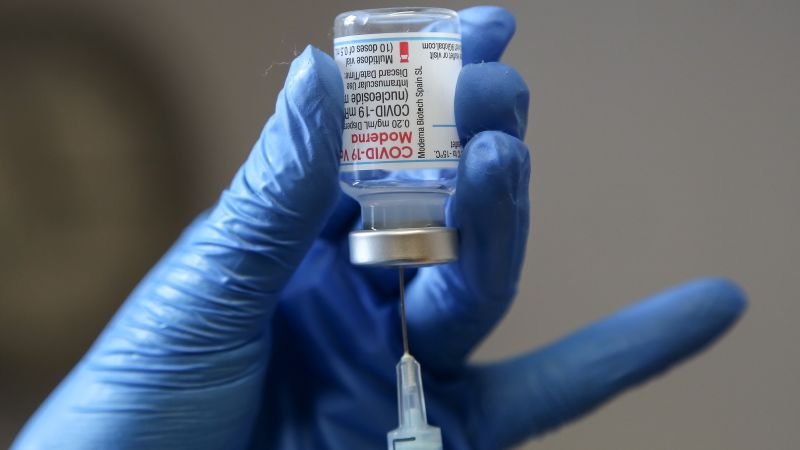
The potential of mRNA vaccines to revolutionize cancer treatment is vast. By utilizing the body’s own cells to produce specific proteins, these vaccines can stimulate the immune system to attack cancer cells. This approach has shown promise in clinical trials, with some patients experiencing significant reductions in tumor size.
How mRNA Vaccines Work
So, what exactly are mRNA vaccines, and how do they work? In simple terms, mRNA (messenger RNA) is a molecule that carries genetic instructions from DNA to the rest of the cell. By introducing a specific mRNA sequence into the body, scientists can instruct cells to produce a particular protein. In the context of cancer, this protein can be designed to stimulate an immune response against cancer cells.
- mRNA vaccines are highly adaptable and can be tailored to target specific types of cancer
- They have the potential to be more effective than traditional treatments, with fewer side effects
- Clinical trials have shown promising results, with some patients experiencing complete remission
While there is still much work to be done, the progress made in mRNA vaccine research is undeniable. As scientists continue to push the boundaries of this technology, we can expect to see even more innovative approaches to cancer treatment emerge.