

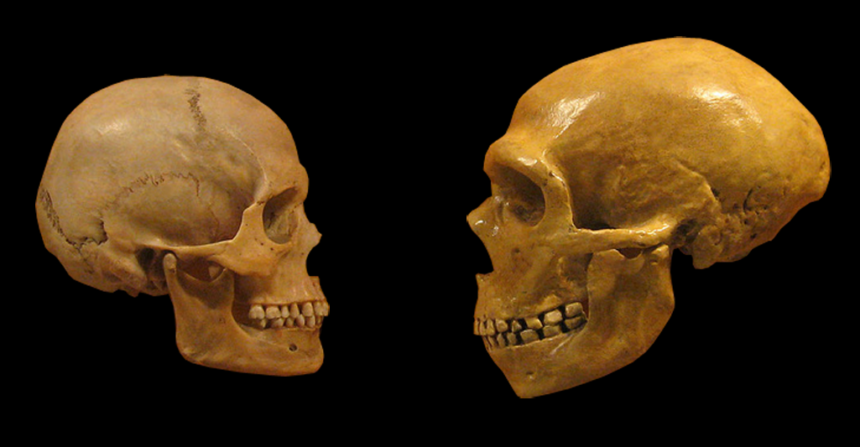
Unveiling the Neanderthal Brain: A Comparative Analysis
Recent studies have shed new light on the brain structure of Neanderthals, revealing that their cognitive abilities may have been more similar to ours than previously thought. The findings suggest that the differences between our brains and those of Neanderthals were likely superficial, with both species possessing similar brain volumes and structures.


One of the key areas of research has been the comparison of brain size and organization between Neanderthals and modern humans. Researchers have discovered that Neanderthal brains were comparable in size to ours, with some studies indicating that they may have even had slightly larger brain volumes. This challenges the long-held assumption that Neanderthals were less intelligent or less capable than modern humans.
Key Findings: A Closer Look
- Brain size and volume: Neanderthal brains were similar in size to those of modern humans, with some studies suggesting they may have been slightly larger.
- Brain structure: The organization and structure of Neanderthal brains were similar to ours, with similar regions dedicated to cognitive functions such as language, problem-solving, and social behavior.
- Cognitive abilities: The similarities in brain structure and size suggest that Neanderthals may have had similar cognitive abilities to modern humans, including advanced problem-solving skills and social complexity.
These findings have significant implications for our understanding of human evolution and the development of cognitive abilities. They suggest that the roots of modern human cognition may be more ancient than previously thought, and that Neanderthals may have played a more significant role in the evolution of human intelligence.