
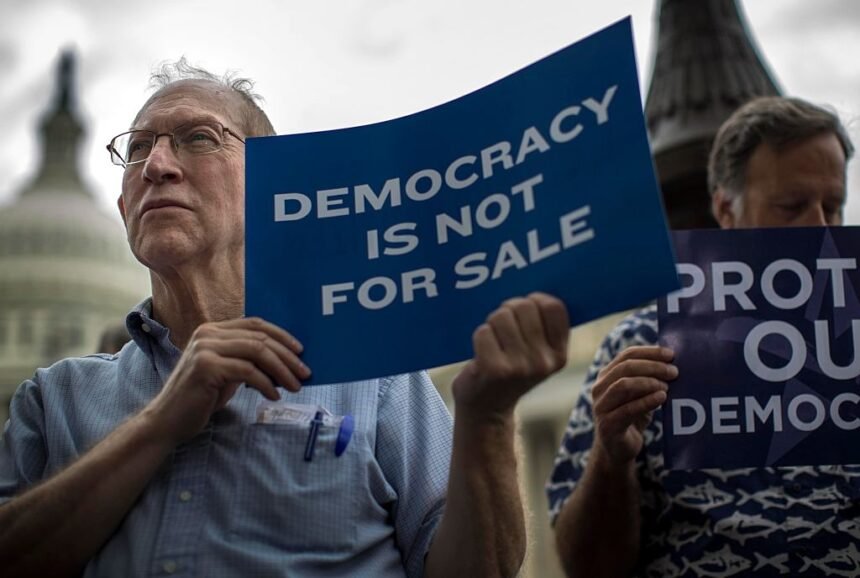
A New Era in Campaign Finance Reform
The landscape of campaign finance in the United States could be on the cusp of a significant shift, potentially marking the beginning of the end for the era of Citizens United. This pivotal moment in history stems from decisions and counter-decisions made by key figures, including former Attorney General Eric Holder. The choice not to challenge the SpeechNow case has had far-reaching implications, shaping the course of political financing and freedom of speech.
Considering the what-ifs of history can provide insight into the complexities of legal and political strategies. If the Obama Justice Department had opted to challenge SpeechNow, the consequences could have been profound. The SpeechNow decision allowed for the creation of super PACs, which have drastically altered the campaign finance landscape by permitting unlimited independent expenditures.
Understanding the Impact
- Citizens United and Its Aftermath: The Citizens United ruling has been criticized for opening the floodgates to corporate money in politics, potentially undermining the democratic process.
- Challenging the Status Quo: Efforts to reform or overturn Citizens United reflect a broader desire to ensure that political power remains with the people, rather than being disproportionately influenced by corporate entities.
- Promoting Transparency and Accountability: Moves towards greater disclosure and stricter regulations aim to restore faith in the political system by making the sources of political funding more transparent.
The journey towards potential reforms is complex and involves navigating the intricate balance between free speech and the corrupting influence of money in politics. As discussions around campaign finance continue, it’s essential to consider the historical context and the potential paths forward that could redefine the relationship between money, politics, and the voice of the average citizen.