
Introduction to Space-Faring Spiders
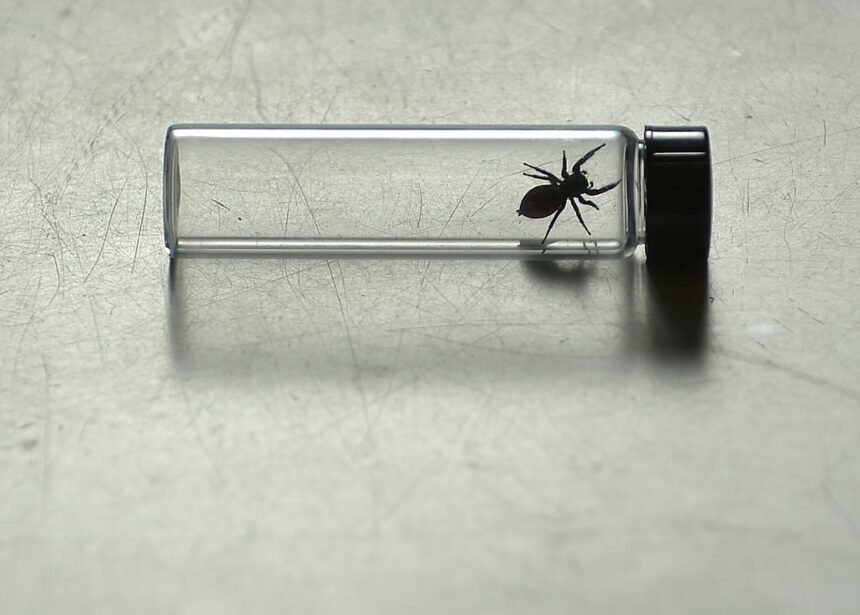
In a fascinating experiment, two jumping spiders were sent to the International Space Station (ISS) in 2012, marking the first time these arachnids ventured beyond Earth’s atmosphere. The spiders, a Johnson jumping spider named Nefertiti and a zebra jumping spider, were part of a unique study to observe their behavior in microgravity.
The results were astonishing, with scientists witnessing unexpected adaptability and resilience in the spiders. Despite the initial struggles, the spiders quickly adjusted to their new environment, displaying remarkable ability to navigate and hunt in the weightless conditions of space.
Adaptation in Microgravity
One of the key findings was the spiders’ ability to adapt their hunting techniques to the microgravity environment. On Earth, jumping spiders rely on their excellent eyesight and agility to catch prey. In space, they had to develop new strategies, using their silk threads to capture and maneuver their prey.
- The spiders’ silk production increased, helping them to create complex webs to snare prey in the absence of gravity.
- The spiders’ movements became more deliberate and calculated, as they learned to conserve energy in the microgravity setting.
Implications and Future Research
The success of this experiment has significant implications for our understanding of arachnid behavior and adaptability. It also opens up new avenues for research into the effects of microgravity on living organisms, which can inform future space exploration missions. As scientists continue to study the effects of space travel on various species, the journey of these two jumping spiders will remain an inspiring example of resilience and adaptability in the most unlikely of environments.