
Iran’s Reinforced Control Over the Strait of Hormuz
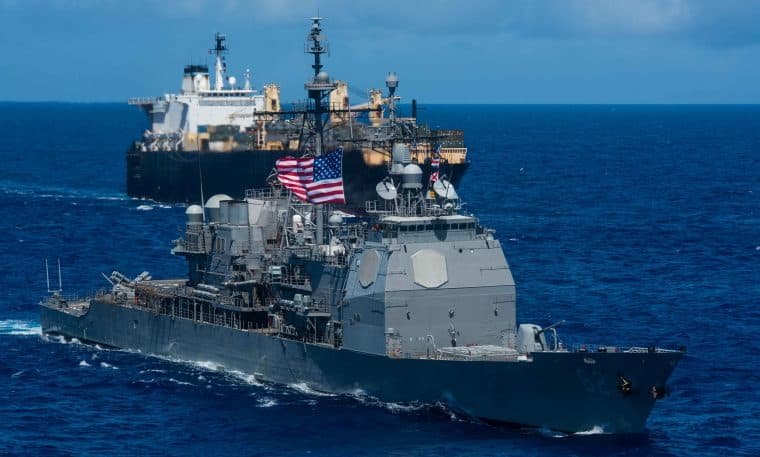
As of the latest reports, the Strait of Hormuz has come to a standstill, with no ships crossing the critical waterway. This information has been confirmed by Bloomberg, highlighting the escalating tensions in the region. The situation has seen a slight increase in US escorts through Hormuz, reaching 19% by April 30, up from 18% in the previous day.
The Strait of Hormuz is one of the world’s most vital shipping lanes, with a significant portion of global oil supplies passing through it. Iran’s move to tighten control over the strait has raised concerns globally, given its potential impact on energy markets and geopolitical stability.
Global Implications
The implications of this development are far-reaching. The halt in shipping through the Strait of Hormuz could lead to increased oil prices, affecting economies worldwide. Moreover, it underscores the heightened tensions between Iran and other global powers, particularly the United States.
- The increased US military presence in the region aims to safeguard vessels and ensure the free flow of oil.
- Iran’s actions are seen as a response to stringent economic sanctions and diplomatic pressures.
- The situation is being closely monitored by international organizations and governments, with calls for de-escalation and dialogue.