
Tacoma Narrows Bridge: A Structural Concern
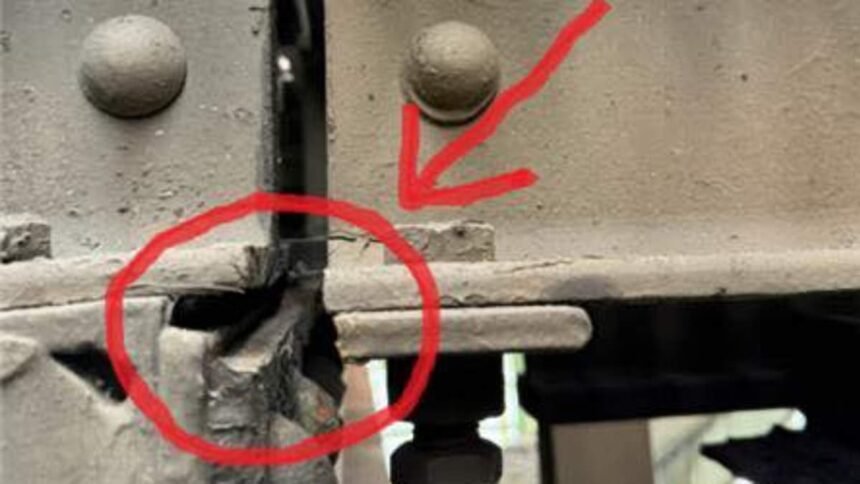
Eighty-four years have passed since the original Tacoma Narrows Bridge, notoriously known as ‘Galloping Gertie,’ collapsed into the Puget Sound in Washington state. Recently, maintenance inspections have revealed alarming cracks on the current Tacoma Narrows Bridge, sparking concern among engineers, commuters, and local residents.
The Tacoma Narrows Bridge is a vital transportation artery connecting the city of Tacoma to the Kitsap Peninsula, facilitating thousands of daily crossings. The discovery of cracks on this massive suspension bridge has led to a thorough examination of its structural integrity, with officials hastening to reassure the public that the bridge remains safe for use.
Investigation and Repairs
An investigation into the cause and extent of the cracks is currently underway. Preliminary findings suggest that the cracks might be attributed to a combination of factors, including environmental conditions, material fatigue, and the cumulative effect of decades of use. Engineers are working diligently to assess the bridge’s condition, determine the necessary repairs, and implement a schedule for the work to be done without disrupting the flow of traffic.
Some of the key measures being considered include:
- Immediate repair of the identified cracks to prevent further damage
- Installation of monitoring systems to track the bridge’s structural health in real-time
- Conducting regular, comprehensive inspections to identify and address potential issues proactively
These actions underscore the commitment to ensuring the bridge’s longevity and the safety of those who depend on it for daily travel.

Historical Context and Structural Resilience
The original Tacoma Narrows Bridge, which opened in 1940, suffered a spectacular and tragic collapse just four months later due to a phenomenon known as aeroelastic flutter, where wind forces caused the structure to oscillate violently until it failed. The replacement bridge, which has been in service since 1950, was designed with significant improvements to withstand such forces, including a more rigid structure and aerodynamically shaped components.
The current discovery of cracks, while worrisome, highlights the importance of ongoing maintenance and inspection of critical infrastructure. It also serves as a testament to the enduring challenge of balancing structural resilience with the inevitability of material degradation over time.