

The Fading Light of Cultural Sophistication
In the quintessential suburban homes of the late 1950s and early 1960s, a certain aura of middle-class sophistication was palpable. The coffee tables of these residences often featured large format books, such as The World’s Most Beautiful Paintings, which served as a testament to the family’s appreciation for the finer things in life. This phenomenon, known as middlebrow culture, not only reflected the aspirations of the burgeoning middle class but also played a significant role in shaping the societal values of the time.

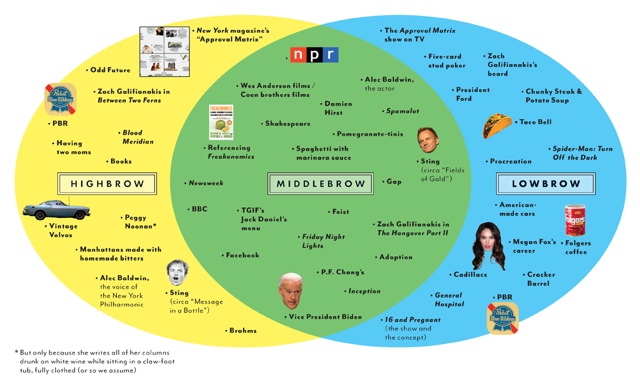
Middlebrow culture was characterized by an eagerness to engage with and appreciate high culture, albeit in a more accessible and watered-down form. It found expression in the proliferation of book clubs, attendance at symphony performances, and the display of reproduction artworks in homes. This cultural landscape fostered a sense of community and shared values, bridging the gap between the elite and the masses.
The Decline of Middlebrow Culture and its Consequences
The gradual decline of middlebrow culture has been attributed to various factors, including the rise of digital media and the increasing polarization of society. As people turned to more specialized and niche forms of entertainment, the broad appeal of middlebrow culture began to wane. Furthermore, the erosion of traditional social institutions and the fragmentation of communal life have contributed to a sense of disconnection and disenfranchisement among certain segments of the population.
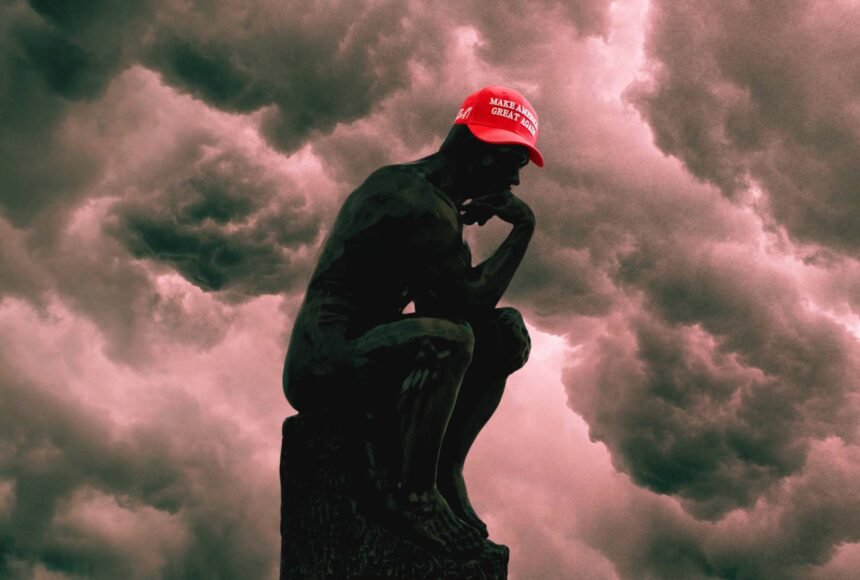
This void has been exploited by populist movements and figures, who have leveraged the anger and disillusionment of disenfranchised groups to further their own agendas. The appeal of populist leaders, such as Donald Trump, can be seen as a response to the perceived elitism and disconnection of the political establishment. However, the divisive rhetoric and policies of these leaders have also been criticized for exacerbating social tensions and undermining the foundations of democratic society.
- The decline of middlebrow culture has been accompanied by a rise in political polarization and social fragmentation.
- The erosion of traditional social institutions has contributed to a sense of disconnection and disillusionment among certain segments of the population.
- Populist movements and leaders have exploited this void, often at the expense of social cohesion and democratic values.