The Impact of You, Me & Tuscany on Black Creatives
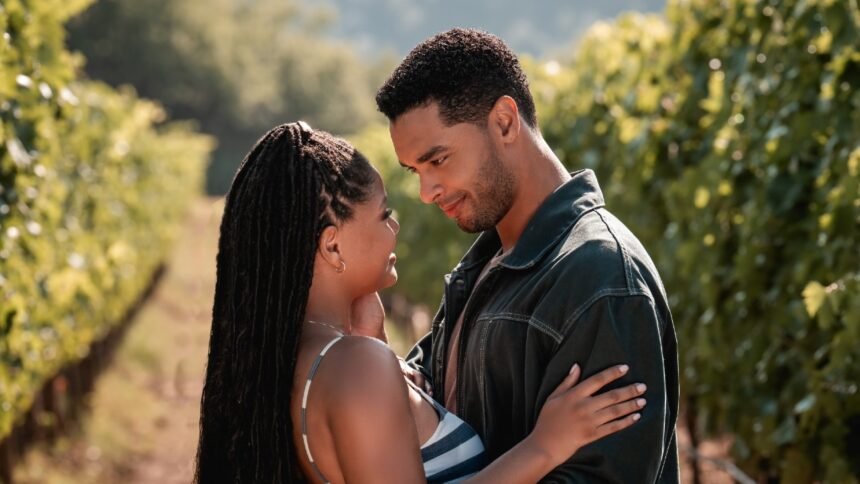
Universal’s new romantic comedy feature, You, Me & Tuscany, has sparked a wave of interest and concern among black creatives in the film industry. The movie’s success is being closely watched, as many believe it could have a significant impact on future opportunities for black writers, directors, and actors in the romantic comedy genre.
The black romantic comedy, a genre that has historically been underrepresented in Hollywood, is facing a critical juncture. With the release of You, Me & Tuscany, many are wondering if this film will be the catalyst for a new wave of diverse storytelling in the industry. The movie’s performance at the box office will be closely scrutinized, as it could determine the level of investment in similar projects in the future.
Why Black Creatives Are Invested in the Success of You, Me & Tuscany
There are several reasons why black creatives are heavily invested in the success of You, Me & Tuscany. Firstly, the movie represents a rare opportunity for black talent to take center stage in a major romantic comedy. The film’s success could pave the way for more diverse storytelling and increased representation in the industry.
- Increased representation: A successful black romantic comedy could lead to more opportunities for black actors, writers, and directors to work on similar projects.
- Diverse storytelling: You, Me & Tuscany’s success could encourage studios to invest in more diverse storytelling, exploring themes and experiences that resonate with black audiences.
- Market demand: A hit black romantic comedy could demonstrate to studios that there is a strong market demand for diverse content, leading to increased investment in similar projects.
Furthermore, the success of You, Me & Tuscany could also have a positive impact on the broader film industry. By showcasing the talent and creativity of black storytellers, the movie could help to break down barriers and challenge stereotypes that have historically limited opportunities for black creatives.