

Challenging the Conventional Narrative of Scarlet Fever
For centuries, it was believed that scarlet fever, a bacterial infection caused by Group A Streptococcus, was introduced to the Americas by European colonizers. However, a recent groundbreaking discovery in a Bolivian mummy’s tooth is rewriting the history books. This finding not only alters our understanding of the disease’s origins but also sheds light on the complex dynamics of human migration and the spread of pathogens across continents.


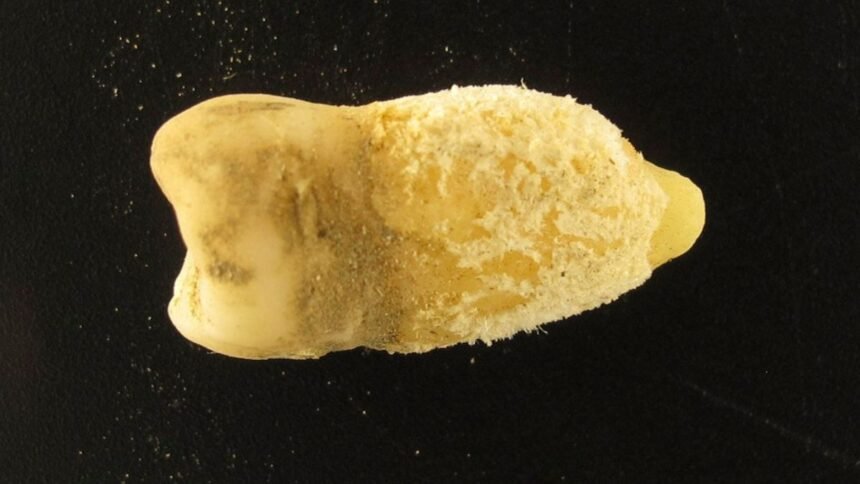
Scientists from Italy and the UK, through meticulous research and advanced DNA analysis, have identified evidence of the bacterial infection in the tooth of an ancient individual. This remarkable discovery indicates that scarlet fever may have been present in the Americas long before the arrival of European settlers, challenging the long-held assumption that the disease was brought over by colonizers.
The Significance of the Findings
The implications of this discovery are profound, suggesting that the indigenous populations of the Americas may have had prior exposure to the disease. This could have significant implications for our understanding of the epidemiology of scarlet fever and how it has evolved over time.
- Understanding the ancient roots of diseases like scarlet fever can provide valuable insights into their spread and evolution.
- It highlights the importance of considering the complex interactions between human populations and pathogens throughout history.
- This knowledge can inform modern public health strategies and our approach to combating infectious diseases.
As we continue to unravel the mysteries of our collective past, discoveries like this remind us of the interconnectedness of human history and the health of our populations. They underscore the need for a more nuanced understanding of disease origins and the spread of pathogens, which is crucial for developing effective strategies to combat infectious diseases today.