
Introduction to Epigenetic Memory and Its Role in Disease
Epigenetic memory refers to the biological process by which environmental factors and experiences can affect gene expression without altering the DNA sequence itself. Recent studies have been exploring how this phenomenon impacts various diseases, including colitis and its potential progression to tumor growth.
The Connection Between Colitis and Epigenetic Memory
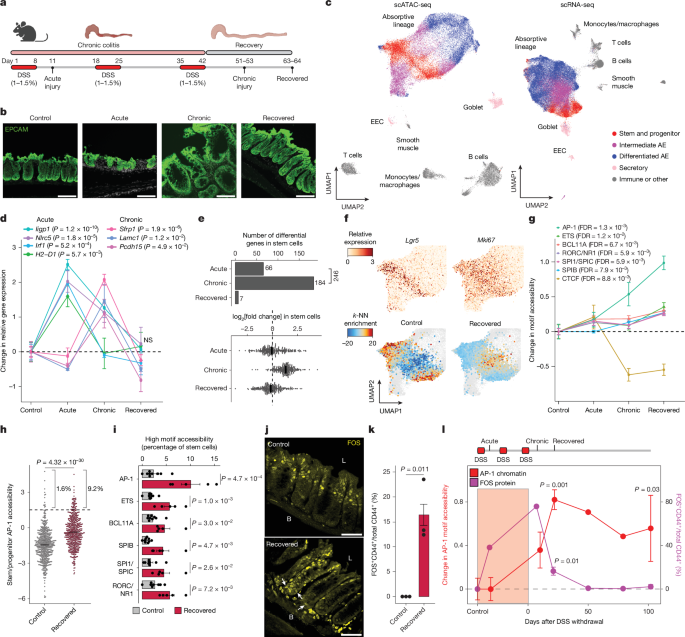
Colitis, an inflammatory bowel disease, has been found to leave an epigenetic mark on the cells of affected individuals. This epigenetic memory of colitis can influence the behavior of cells, potentially leading to the development and growth of tumors. The study of this connection is crucial for understanding the mechanisms behind the progression from inflammation to cancer.
Animal Studies and Cell Line Research
To delve deeper into this relationship, researchers have been conducting animal studies, primarily using mouse models. The Jackson Laboratory has provided specific mouse strains, such as C57BL/6J and Cdx2:CreERT2;APCfl/fl;KrasWT, for these investigations. By studying the effects of colitis on these mice, scientists can gain insights into how epigenetic changes occur and how they might promote tumor growth.
Key Findings and Implications
- The epigenetic memory of colitis can significantly influence the growth and development of tumors.
- Understanding this connection could lead to the development of new therapeutic strategies for preventing or treating cancer in individuals with a history of colitis.
- Further research is needed to fully grasp the mechanisms behind epigenetic memory and its role in disease progression.
The exploration of the link between epigenetic memory, colitis, and tumor growth is an evolving field that holds promise for advancing our understanding of disease processes and discovering new avenues for treatment.