Groundbreaking Research Reveals the Impact of Focal White Matter Lesions on Brain Health
Recent studies have shed light on the intricate relationship between focal white matter lesions and their far-reaching effects on grey matter inflammation and synapse loss. The research, conducted in accordance with stringent animal care guidelines, has significant implications for our understanding of neurodegenerative diseases.
The experiments, guided by the EU’s directives for laboratory animal care and the UK’s Animals (Scientific Procedures) Act 1986, aimed to elucidate the underlying mechanisms driving brain inflammation and synaptic damage. By exploring the consequences of focal white matter lesions, scientists hope to uncover novel therapeutic targets for conditions characterized by grey matter pathology.
Key Findings and Implications
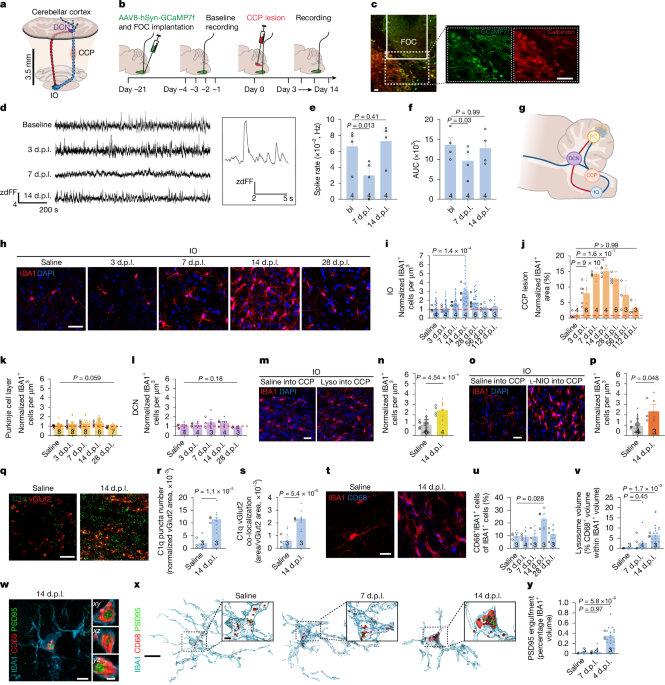
- Focal white matter lesions were found to induce significant grey matter inflammation, highlighting the complex interplay between different brain regions.
- Synapse loss was observed in areas surrounding the lesions, underscoring the potential for white matter damage to disrupt normal brain function.
- The study’s results suggest that targeting white matter lesions could be a viable strategy for mitigating grey matter inflammation and synaptic damage.
As research continues to unravel the mysteries of brain pathology, these findings contribute to a deeper understanding of the neural mechanisms underlying neurodegenerative diseases. By bridging the gap between white matter lesions and grey matter inflammation, scientists are poised to develop innovative treatments that address the complex needs of patients struggling with these conditions.